Hoi An Travel Guide
Vietnam is filled with breathtaking destinations, but few places capture the hearts of travelers quite like Hoi An. Known for its lantern-lit streets, centuries-old architecture, colorful riverside cafés, and welcoming atmosphere, this UNESCO World Heritage town offers a magical blend of history, culture, and relaxation. Whether you’re a history enthusiast, foodie, photographer, or beach lover, Hoi An promises an unforgettable travel experience.
This comprehensive Hoi An Travel Guide is designed to help you plan the perfect trip in 2026. From discovering the best attractions and local cuisine to finding budget-friendly accommodations and insider travel tips, you’ll learn everything needed to make the most of your journey. Whether you’re visiting for a weekend or spending several days exploring Central Vietnam, this guide covers every essential detail.
Why Visit Hoi An?
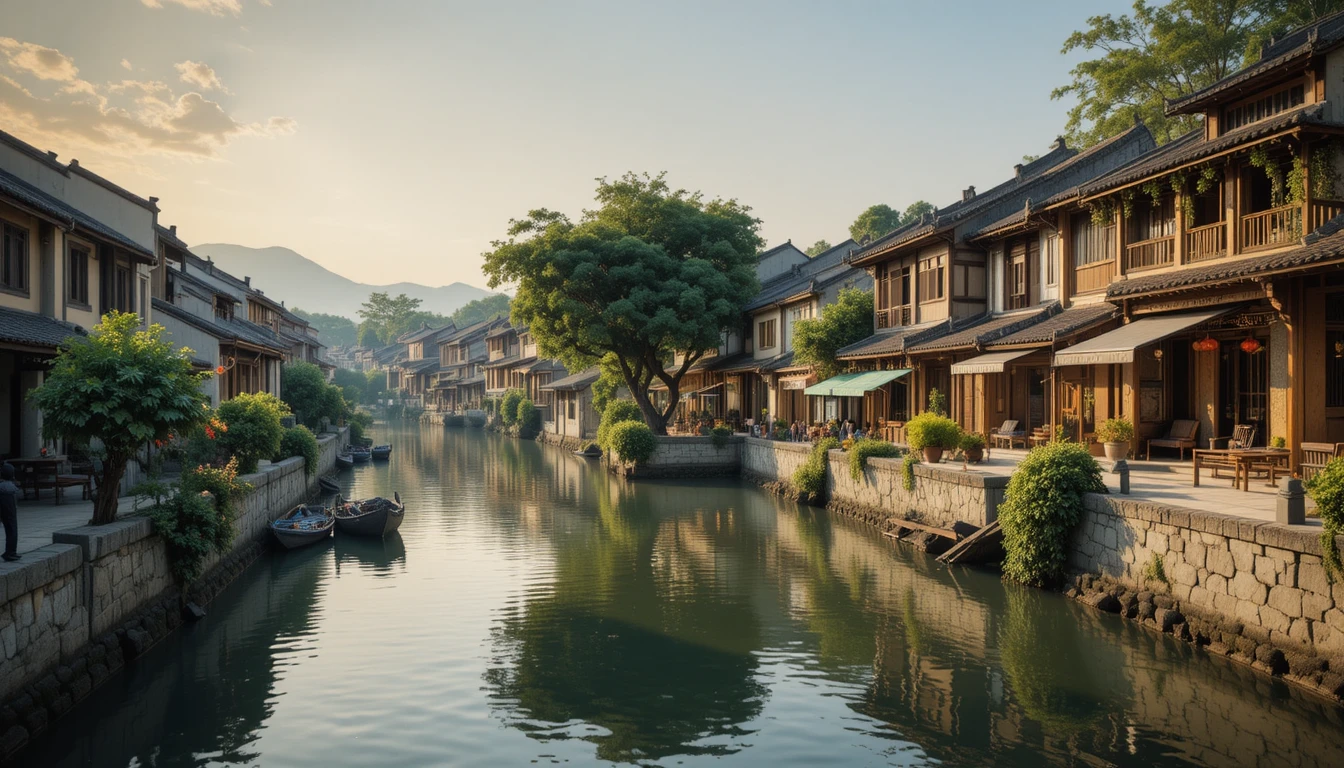
Hoi An is one of Vietnam’s most charming destinations. Unlike busy cities such as Hanoi or Ho Chi Minh City, Hoi An offers a peaceful atmosphere where visitors can stroll through narrow streets lined with yellow colonial buildings, ancient temples, tailor shops, cafés, and glowing lanterns.
Every evening, the town transforms into a magical destination as thousands of colorful lanterns illuminate the streets and the Thu Bon River. Traditional wooden boats float peacefully across the river while local musicians perform nearby, creating an unforgettable cultural experience.
Hoi An is also famous for preserving its rich heritage. The town successfully blends Vietnamese, Chinese, Japanese, and European influences, making it one of Southeast Asia’s most unique historical destinations.
Where is Hoi An?
Hoi An is located in Quang Nam Province in Central Vietnam, approximately 30 kilometers south of Da Nang. The town sits along the beautiful Thu Bon River and is only a short drive from some of Vietnam’s best beaches.
Because of its central location, Hoi An is an excellent destination to include in a Vietnam itinerary. Many travelers combine visits to Da Nang, the Marble Mountains, My Son Sanctuary, Hue, and Hoi An during the same trip.
Best Time to Visit Hoi An
Choosing the right season can greatly improve your travel experience.
February to April (Best Season)
These months offer pleasant temperatures, sunny skies, and low humidity. The weather is perfect for sightseeing, cycling, beach trips, and photography.
May to August
Summer is hot but excellent for visiting An Bang Beach and Cua Dai Beach. Water activities are especially popular during these months.
September to November
Rainfall increases during autumn. Although occasional flooding may occur, hotel prices become lower and tourist crowds decrease.
December to January
Winter offers cooler temperatures with occasional rain. The festive atmosphere and lantern displays remain beautiful throughout the season.
Hoi An Weather Throughout the Year
Hoi An experiences a tropical climate with two distinct seasons.
Dry Season
- February to August
- Sunny weather
- Warm temperatures
- Excellent beach conditions
- Ideal for outdoor activities
Rainy Season
- September to January
- Frequent showers
- Cooler evenings
- Fewer tourists
- Lower accommodation prices
Average temperatures range from 22°C to 33°C throughout the year.
History of Hoi An Ancient Town
Hoi An has over 400 years of fascinating history. During the 16th and 17th centuries, it became one of Southeast Asia’s busiest international trading ports.
Merchants from China, Japan, Portugal, and the Netherlands established trading communities here, influencing the town’s architecture, cuisine, and traditions.
Unlike many historical cities, Hoi An escaped major destruction during wars, allowing much of its original architecture to remain intact.
Today, the Ancient Town is recognized as a UNESCO World Heritage Site because of its exceptional preservation and cultural significance.
Top Reasons to Visit Hoi An
There are countless reasons why millions of travelers include Hoi An on their Vietnam itinerary.
UNESCO World Heritage Site
Hoi An’s Ancient Town is among Vietnam’s most treasured cultural landmarks, featuring beautifully preserved buildings dating back hundreds of years.
Incredible Lantern Festival
Every month, the town celebrates its famous Lantern Festival. Electric lights are turned off, allowing thousands of colorful silk lanterns to illuminate the streets.
Amazing Local Cuisine
Hoi An is one of Vietnam’s culinary capitals. Signature dishes include:
- Cao Lau
- White Rose Dumplings
- Mi Quang
- Banh Mi
- Fresh Seafood
- Vietnamese Coffee
Beautiful Beaches
Just minutes from the Ancient Town, visitors can relax at stunning beaches including:
- An Bang Beach
- Cua Dai Beach
- Hidden Beach
Affordable Travel
Hoi An remains one of Southeast Asia’s most budget-friendly destinations, offering affordable hotels, delicious street food, inexpensive transportation, and excellent value for money.
How to Get to Hoi An
Interestingly, Hoi An does not have its own airport. Most travelers arrive through Da Nang International Airport.
From Da Nang Airport
Travel options include:
- Taxi (approximately 45 minutes)
- Grab
- Shuttle Bus
- Private Transfer
- Rental Motorbike
The journey is smooth and scenic, making it an easy trip for international visitors.
First-Time Visitor Tips
If you’re visiting Hoi An for the first time, these tips will help you enjoy a hassle-free experience.
- Walk through the Ancient Town early in the morning to avoid crowds.
- Carry cash, as many local shops do not accept credit cards.
- Rent a bicycle to explore nearby villages.
- Wear comfortable walking shoes.
- Stay at least three nights to fully experience the town.
- Respect local customs when visiting temples.
- Purchase an Ancient Town ticket if you plan to visit heritage buildings.
- Bring sunscreen and stay hydrated during summer.
Why This Hoi An Travel Guide Will Help You
Planning a trip becomes much easier when you know what to expect. This Hoi An Travel Guide is carefully designed to answer every important travel question—from choosing the best season to visit and finding transportation to discovering hidden gems and local experiences. Whether you’re traveling solo, as a couple, with friends, or as a family, Hoi An offers something special for every type of traveler.
In the next section, we’ll explore the best places to visit in Hoi An, the most exciting activities, famous beaches, local markets, tailor shops, cultural experiences, and must-try Vietnamese dishes that make this ancient town one of Asia’s most unforgettable destinations.
Best Places to Visit in Hoi An
One of the biggest highlights of any Hoi An Travel Guide is exploring the town’s incredible attractions. Although Hoi An is relatively small, it is packed with historical landmarks, beautiful beaches, traditional villages, and unforgettable cultural experiences.
Hoi An Ancient Town
The Ancient Town is the heart and soul of Hoi An. Walking through its narrow streets feels like stepping back in time. Yellow-painted colonial buildings, centuries-old temples, traditional wooden houses, charming cafés, and colorful lanterns create an atmosphere unlike anywhere else in Vietnam.
Every street offers something unique, from local handicraft shops to hidden tea houses and art galleries.
Highlights include:
- Historic architecture
- Riverside cafés
- Local art galleries
- Tailor shops
- Traditional temples
- Beautiful photography spots
Japanese Covered Bridge
The Japanese Covered Bridge is Hoi An’s most iconic landmark. Built in the late 16th century, the bridge connects the Japanese and Chinese quarters of the ancient town.
Its beautiful wooden structure, curved roof, and historic temple make it one of the most photographed attractions in Vietnam.
Travel Tip: Visit early in the morning or just before sunset for the best photos.
Thu Bon River
The Thu Bon River flows peacefully through Hoi An and creates one of the town’s most romantic settings.
Visitors can enjoy:
- Traditional wooden boat rides
- Sunset cruises
- Floating lantern experiences
- Riverside dining
- Night photography
At night, thousands of colorful lanterns reflect on the water, creating a magical atmosphere.
Hoi An Night Market
The Night Market is one of the liveliest places in town.
You’ll find:
- Handmade lanterns
- Local artwork
- Souvenirs
- Silk products
- Street food
- Handmade jewelry
- Traditional crafts
The market becomes especially vibrant after sunset.
Fujian Assembly Hall
Originally built by Chinese merchants, the Fujian Assembly Hall is famous for its ornate gates, dragon statues, colorful courtyards, and beautiful temples.
It remains one of Hoi An’s most impressive cultural landmarks.
Cantonese Assembly Hall
Another beautiful historical building, the Cantonese Assembly Hall showcases Chinese architecture with intricate carvings, peaceful gardens, and stunning artwork.
Tan Ky Old House
More than 200 years old, Tan Ky Old House perfectly represents traditional merchant homes.
Inside you’ll discover:
- Antique furniture
- Historic architecture
- Family heirlooms
- Cultural exhibits
Phung Hung Ancient House
This beautifully preserved house reflects a combination of Japanese, Chinese, and Vietnamese architectural styles.
Visitors can learn about Hoi An’s rich trading history while exploring its elegant wooden interiors.
Best Things to Do in Hoi An
Besides sightseeing, Hoi An offers countless memorable experiences.
Ride a Bicycle Through Rice Fields
Cycling is one of the best ways to explore the countryside surrounding Hoi An.
You’ll pass:
- Green rice paddies
- Water buffalo
- Small villages
- Coconut forests
- Traditional farms
The peaceful scenery provides an authentic glimpse into rural Vietnamese life.
Release Floating Lanterns
One of the most magical experiences in Hoi An is releasing a floating lantern onto the Thu Bon River after sunset.
Many visitors believe the lantern symbolizes good luck, happiness, and prosperity.
Join a Vietnamese Cooking Class
Hoi An is one of Vietnam’s top culinary destinations.
Cooking classes usually include:
- Visiting a local market
- Learning about Vietnamese herbs
- Preparing authentic dishes
- Enjoying your homemade meal
Popular recipes include:
- Pho
- Spring Rolls
- Cao Lau
- White Rose Dumplings
- Banh Xeo
Get Custom-Made Clothing
Hoi An is internationally famous for its skilled tailors.
Within 24 to 48 hours, you can have:
- Custom suits
- Dresses
- Shirts
- Shoes
- Leather bags
- Wedding attire
The quality is excellent, and prices are much lower than in many Western countries.
Explore Coconut Basket Boat Village
Cam Thanh Coconut Village is a fun destination where visitors ride traditional bamboo basket boats through peaceful coconut forests.
Activities include:
- Basket boat spinning
- Crab fishing
- Traditional performances
- Fishing demonstrations
Take a Photography Walk
Hoi An is one of the most photogenic towns in Southeast Asia.
Best photo locations include:
- Lantern streets
- Yellow colonial buildings
- Japanese Covered Bridge
- Thu Bon River
- Ancient alleyways
- Riverside cafés
Golden hour before sunset offers the most beautiful lighting.
Visit Local Temples
Hoi An has numerous ancient temples reflecting Vietnamese, Chinese, and Japanese traditions.
Many temples remain active places of worship and offer peaceful environments away from tourist crowds.
Best Beaches Near Hoi An
Many travelers don’t realize that beautiful beaches are only minutes away from the Ancient Town.
An Bang Beach
An Bang Beach is considered one of Vietnam’s finest beaches.
Visitors enjoy:
- Soft white sand
- Clear blue water
- Beach cafés
- Seafood restaurants
- Paddleboarding
- Swimming
The relaxed atmosphere makes it ideal for families and couples.
Cua Dai Beach
Located a short drive from town, Cua Dai Beach offers long stretches of golden sand and calm waters.
Although erosion has affected parts of the beach, it remains a popular destination for relaxing by the sea.
Hidden Beach
Between An Bang and Cua Dai lies Hidden Beach, a quieter option for travelers seeking fewer crowds.
Best Local Food in Hoi An
No Hoi An Travel Guide would be complete without exploring its incredible cuisine.
Hoi An’s food combines fresh ingredients, traditional recipes, and regional flavors that have been perfected over centuries.
Cao Lau
Hoi An’s signature noodle dish features thick noodles, roasted pork, fresh herbs, crispy crackers, and flavorful broth.
This unique dish can only be authentically prepared in Hoi An due to the traditional water source used in its preparation.
White Rose Dumplings
These delicate shrimp dumplings resemble blooming white flowers.
Served with a light dipping sauce, they’re one of Hoi An’s most famous specialties.
Mi Quang
Mi Quang is another regional favorite featuring turmeric noodles, herbs, peanuts, shrimp, pork, and a rich broth.
Banh Mi
Hoi An serves some of Vietnam’s best Banh Mi sandwiches.
Fresh baguettes are filled with meats, vegetables, herbs, pâté, and homemade sauces.
Fresh Seafood
Seafood lovers will enjoy:
- Grilled squid
- Lobster
- Prawns
- Clams
- Crab
- Fish hotpot
Many beachfront restaurants prepare seafood caught fresh each morning.
Shopping in Hoi An
Hoi An is one of Vietnam’s best shopping destinations.
Popular items include:
- Handmade lanterns
- Silk clothing
- Leather bags
- Handmade shoes
- Ceramics
- Bamboo crafts
- Traditional paintings
- Coffee
- Local spices
Many products are handcrafted by local artisans, making them meaningful souvenirs or gifts.
Experience the Hoi An Lantern Festival
If your travel dates align with the monthly Lantern Festival, you’re in for a truly unforgettable evening.
During the festival:
- Electric lights are switched off in the Ancient Town.
- Thousands of colorful lanterns illuminate the streets.
- Traditional music fills the air.
- Locals and visitors release floating lanterns on the Thu Bon River.
- Cultural performances and folk games take place throughout the town.
The festival beautifully showcases Hoi An’s heritage and is one of the most enchanting cultural events in Vietnam.
By now, this Hoi An Travel Guide has covered the town’s top attractions, cultural experiences, beaches, local cuisine, shopping, and unforgettable festivals. In the final section, we’ll explore accommodation options, transportation, travel costs, a suggested itinerary, practical travel tips, a conclusion, and answers to the most frequently asked questions.
Where to Stay in Hoi An
Choosing the right accommodation can make your trip even more enjoyable. Whether you’re a backpacker, a couple on a romantic getaway, or a family seeking comfort, Hoi An offers options for every budget.
Luxury Hotels
Luxury travelers can enjoy elegant resorts featuring:
- Private swimming pools
- Riverside views
- Spa and wellness centers
- Fine dining restaurants
- Airport transfer services
- Beach access
These properties are ideal for honeymooners and visitors looking for a relaxing vacation.
Mid-Range Hotels
Mid-range hotels provide an excellent balance between comfort and affordability. Most include:
- Free Wi-Fi
- Breakfast
- Swimming pool
- Bicycle rentals
- Walking distance to the Ancient Town
Budget Hotels & Hostels
Backpackers will find plenty of affordable guesthouses and hostels with clean rooms, friendly staff, and convenient locations. Many also organize city tours and airport transfers.
Getting Around Hoi An
One of the best things about Hoi An is how easy it is to explore.
Walking
The Ancient Town is compact and pedestrian-friendly. Walking allows you to discover hidden cafés, local shops, and charming streets at your own pace.
Bicycle
Renting a bicycle is inexpensive and one of the most enjoyable ways to explore rice fields, nearby villages, and beaches.
Motorbike
Motorbike rentals are widely available for travelers who want greater flexibility while visiting attractions outside the town center.
Taxi & Ride-Hailing Apps
Taxis and ride-hailing services are readily available and reasonably priced, especially for trips to Da Nang, the airport, or nearby attractions.
Hoi An Travel Budget
One of the reasons Hoi An is so popular is that it offers outstanding value for money.
Budget Travelers
Approximate daily budget:
- Accommodation: Budget-friendly guesthouses
- Meals: Local restaurants and street food
- Transportation: Walking and bicycles
- Daily Budget: $25–40 USD
Mid-Range Travelers
Expect comfortable hotels, restaurant dining, and occasional tours.
Daily Budget: $50–100 USD
Luxury Travelers
Luxury resorts, private tours, fine dining, and premium services.
Daily Budget: $150 USD or more
Suggested 3-Day Hoi An Itinerary
Day 1 – Discover the Ancient Town
- Walk through Hoi An Ancient Town
- Visit the Japanese Covered Bridge
- Explore Tan Ky Old House
- Enjoy Vietnamese coffee at a riverside café
- Experience the Night Market
- Release a floating lantern on the Thu Bon River
Day 2 – Beaches & Local Experiences
- Relax at An Bang Beach
- Enjoy fresh seafood for lunch
- Visit Cam Thanh Coconut Village
- Take a basket boat ride
- Join a Vietnamese cooking class
Day 3 – Culture & Shopping
- Visit the Assembly Halls
- Explore local temples
- Shop for handmade lanterns and tailor-made clothing
- Taste local specialties
- Watch the sunset along the river before departing
Useful Travel Tips
To make your journey smoother, keep these practical tips in mind:
- Carry some Vietnamese Dong for small purchases.
- Wear lightweight clothing during the warmer months.
- Respect local customs when visiting temples.
- Bring sunscreen, sunglasses, and a reusable water bottle.
- Book accommodation early during peak travel seasons.
- Visit popular attractions early in the morning to avoid crowds.
- Learn a few basic Vietnamese greetings—they’re appreciated by locals.
- Keep your camera or phone charged because Hoi An offers countless photo opportunities.
Sustainable Travel Tips
Help preserve Hoi An’s beauty by traveling responsibly.
- Support local businesses and family-owned restaurants.
- Avoid single-use plastics whenever possible.
- Respect historical buildings and cultural sites.
- Dispose of waste responsibly.
- Choose eco-friendly tours and accommodations.
- Never disturb wildlife or damage natural areas.
Responsible tourism helps ensure that future generations can continue to enjoy Hoi An’s unique heritage.
Why Hoi An Should Be on Your Vietnam Bucket List
Hoi An is much more than a beautiful destination—it’s a place where history, culture, food, and natural beauty come together in perfect harmony.
Whether you’re wandering through lantern-lit streets, cycling past emerald-green rice fields, relaxing on a peaceful beach, or enjoying authentic Vietnamese cuisine, every moment in Hoi An creates lasting memories.
The town’s welcoming atmosphere, affordable prices, and well-preserved heritage make it one of Southeast Asia’s most rewarding travel destinations.
Conclusion
If you’re planning a trip to Vietnam, Hoi An Travel Guide should be at the top of your travel planning checklist. From its UNESCO-listed Ancient Town and iconic Japanese Covered Bridge to its beautiful beaches, flavorful local cuisine, vibrant night markets, and colorful Lantern Festival, Hoi An offers an unforgettable experience for every type of traveler.
Whether you’re visiting for a short getaway or an extended vacation, Hoi An combines history, culture, relaxation, and adventure in a way that few destinations can match. With affordable accommodations, friendly locals, and countless attractions to explore, it’s easy to see why millions of visitors fall in love with this charming town year after year.
Use this Hoi An Travel Guide to plan your itinerary, discover hidden gems, and make the most of your journey in 2026. No matter your travel style or budget, Hoi An promises memories that will stay with you long after your trip has ended.
Frequently Asked Questions
How many days should I spend in Hoi An?
Most travelers find that 3 to 4 days is the perfect amount of time to explore Hoi An’s Ancient Town, beaches, local markets, nearby villages, and cultural attractions without feeling rushed.
What is the best month to visit Hoi An?
The best time to visit is February to April, when the weather is warm, dry, and ideal for sightseeing, cycling, and enjoying outdoor activities.
Is Hoi An expensive for tourists?
No. Hoi An is considered one of Vietnam’s most affordable destinations. Budget travelers can enjoy comfortable accommodations, delicious local food, and memorable experiences at very reasonable prices, while luxury travelers will also find excellent value.
Sintra Portugal Travel Guide: 35 Magical Things to Do Beyond the Famous Palaces