Individual Holidays have become an important part of modern work and personal life. Unlike national holidays that everyone celebrates together, these holidays are chosen by individuals according to their own schedules and priorities. Many companies across the USA now offer flexible leave policies that allow employees to select personal holidays throughout the year.
Whether you are planning a family vacation, celebrating a religious event, attending a wedding, or simply taking a break to relax, Individual Holidays give you the freedom to manage your personal life without waiting for official public holidays. Understanding how these holidays work can help employees, employers, and even students make better decisions.
In this guide, you will learn everything about Individual Holidays, including their meaning, types, benefits, common uses, limitations, and practical examples. By the end of this article, you will clearly understand why Individual Holidays are becoming more popular in workplaces across the United States.
What Does Individual Holidays Mean?
The term Individual Holidays refers to personal leave days selected by an individual instead of being fixed by the government or an organization. These holidays are usually part of an employee’s benefits package or personal leave policy.
Instead of everyone taking the same day off, each person chooses holidays that are meaningful to them. This approach respects different cultures, religions, lifestyles, and personal commitments.
For example:
- A Christian employee may request Christmas Eve.
- A Muslim employee may take the Eid holidays.
- A Jewish employee may observe Yom Kippur.
- Another employee may simply use the day for a family vacation.
This flexibility makes Individual Holidays valuable in diverse workplaces.
Why Are Individual Holidays Important?
Individual Holidays support a healthy balance between work and personal life. They recognize that everyone has different responsibilities and traditions.
They are important because they:
- Respect cultural diversity.
- Improve employee satisfaction.
- Reduce workplace stress.
- Support mental health.
- Increase productivity after time off.
- Help employees attend important family events.
Many modern employers now include Individual Holidays as part of flexible workplace policies because happier employees often perform better.
How Individual Holidays Work
The process is usually simple.
Receive Holiday Allowance
An employer provides employees with a certain number of personal holidays each year.
Submit a Request
The employee requests the preferred holiday through the company’s leave system.
Manager Approval
Managers review the request while considering business needs and staffing requirements.
Holiday Confirmation
Once approved, the employee enjoys the selected day off.
Some companies allow unused Individual Holidays to expire each year, while others allow them to roll over into the next year.
Types of Individual Holidays
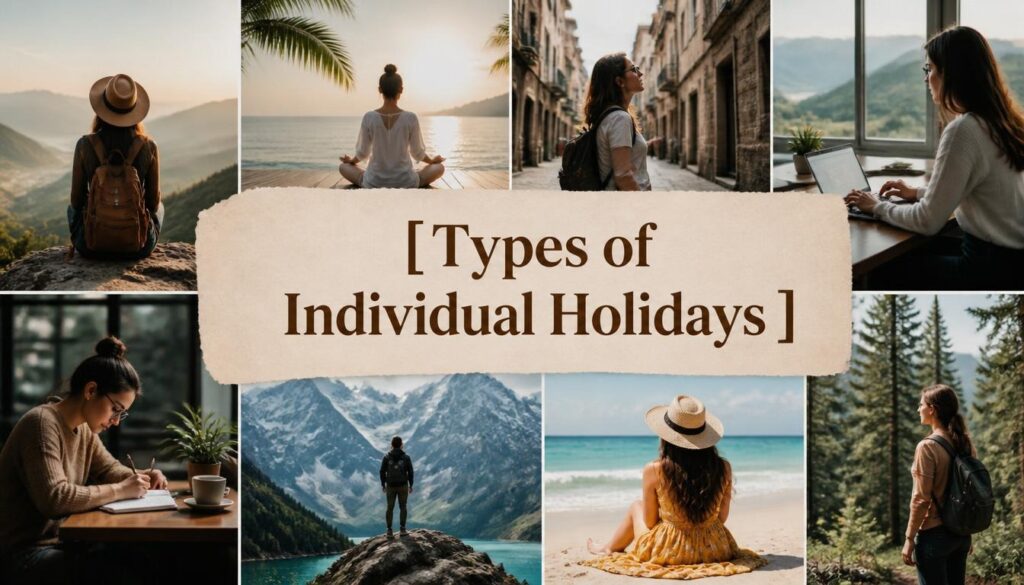
There are several categories of Individual Holidays.
Personal Holidays
Used for relaxation, appointments, or personal responsibilities.
Religious Holidays
Employees choose holidays based on their religious beliefs.
Examples include:
- Eid al-Fitr
- Eid al-Adha
- Christmas Eve
- Good Friday
- Hanukkah
- Diwali
Family Holidays
These holidays allow employees to attend:
- Weddings
- Birthdays
- Family reunions
- Graduation ceremonies
Mental Health Days
Many companies now encourage employees to use personal holidays for stress relief and mental wellness.
Vacation Days
Some organizations allow vacation days to be treated as Individual Holidays.
Floating Holidays
Floating holidays are flexible leave days that employees can use whenever they choose during the year.
Individual Holidays vs Public Holidays
| Feature | Individual Holidays | Public Holidays |
| Chosen by | Employee | Government |
| Same for everyone | No | Yes |
| Flexible | Yes | No |
| Purpose | Personal needs | National celebrations |
| Approval needed | Usually Yes | Usually No |
| Date | Flexible | Fixed |
Common Uses of Individual Holidays

People use Individual Holidays for many different reasons.
Family Time
Many employees spend extra time with parents, children, or relatives.
Traveling
Individual Holidays make short vacations easier without waiting for national holidays.
Religious Celebrations
Employees celebrate important religious festivals according to their beliefs.
Medical Appointments
Some people use personal holidays for medical checkups or treatments.
Rest and Recovery
Taking a day off helps reduce stress and prevents burnout.
Personal Projects
Many individuals use holidays to work on hobbies, home improvements, education, or side businesses.
Community Service
Some employees volunteer during their Individual Holidays to support local charities and nonprofit organizations.
Benefits of Individual Holidays
One of the biggest advantages of Individual Holidays is flexibility. Employees can choose the days that matter most to them instead of following a fixed holiday calendar.
Other major benefits include:
- Better work-life balance
- Higher employee satisfaction
- Improved mental health
- Reduced workplace stress
- Greater cultural inclusion
- Increased productivity
- Better employee retention
- Stronger workplace morale
- More personalized leave planning
- Better support for diverse workforces
Practical Applications of Individual Holidays
Individual Holidays are used in many industries across the United States.
Corporate Companies
Businesses offer floating holidays as part of employee benefit packages.
Government Organizations
Some government agencies provide personal leave days alongside federal holidays.
Schools and Universities
Teachers and staff may receive flexible leave options depending on institutional policies.
Healthcare Organizations
Hospitals often allow employees to request Individual Holidays while maintaining essential staffing levels.
Complete Guide to Individual Holidays: Limitations, Examples, FAQs & Expert Tips
Limitations of Individual Holidays
Although Individual Holidays offer many advantages, they also come with a few challenges. Understanding these limitations helps both employers and employees plan better.
Approval Is Not Always Guaranteed
Many organizations require manager approval before granting an Individual Holiday. If several employees request the same day off, some requests may be declined to maintain business operations.
Limited Number of Days
Most companies provide only a certain number of Individual Holidays each year. Employees should use these days wisely because they may not receive additional leave.
Busy Seasons Can Affect Requests
During peak business periods, employers may limit holiday approvals to ensure enough staff members are available.
Different Company Policies
Every organization has its own leave policy. Some companies allow unused Individual Holidays to roll over, while others require employees to use them before the end of the year.
Planning Is Required
Employees usually need to submit holiday requests in advance. Last-minute requests may not always be approved.
Comparison Table
| Feature | Individual Holidays | Vacation Leave | Sick Leave | Public Holidays |
| Purpose | Personal choice | Long breaks | Illness | National celebration |
| Fixed Date | No | No | No | Yes |
| Approval Required | Usually Yes | Yes | Sometimes | No |
| Paid Leave | Usually | Usually | Usually | Yes |
| Flexible | High | High | Limited | None |
| Who Chooses? | Employee | Employee | Medical Need | Government |
Real-World Examples of Individual Holidays
Here are some practical examples of how Individual Holidays are used in everyday life.
Family Wedding
Sarah works for a technology company in California. She uses one of her Individual Holidays to attend her sister’s wedding without using her annual vacation days.
Religious Celebration
Ahmed requests an Individual Holiday to celebrate Eid with his family. His employer supports flexible leave, allowing him to observe his religious traditions.
Mental Health Break
After several busy months at work, Michael takes an Individual Holiday to relax, recharge, and spend time outdoors. He returns to work feeling refreshed and more productive.
Graduation Ceremony
Emily uses her Individual Holiday to attend her son’s college graduation. This allows her to celebrate an important family milestone without affecting her work responsibilities.
Volunteer Work
James spends his Individual Holiday helping at a local food bank. Many organizations encourage employees to use personal leave for community service and charitable activities.
Other Meanings of Individual Holidays
The phrase Individual Holidays may have different meanings depending on the context.
Personal Leave Days
The most common meaning refers to flexible personal leave provided by employers.
Customized Vacation Plans
Travel agencies sometimes use the term to describe personalized travel packages designed for one traveler or a specific family.
Individual Travel Holidays
In the tourism industry, Individual Holidays may refer to self-planned vacations instead of organized group tours.
Educational Leave
Some schools and universities allow students to take approved Individual Holidays for competitions, cultural events, or family commitments.
Expert Tips for Using Individual Holidays
Getting the most value from your Individual Holidays requires a little planning.
- Plan your holidays early in the year.
- Read your employer’s leave policy carefully.
- Submit requests well before important dates.
- Coordinate your leave with your team.
- Save a few holidays for unexpected situations.
- Combine Individual Holidays with weekends for longer breaks.
- Respect company deadlines for leave requests.
- Keep track of your remaining holiday balance.
- Use holidays to improve your mental and physical well-being.
- Avoid waiting until the end of the year to use all your leave.
Frequently Asked Questions (FAQs)
What are Individual Holidays?
Individual Holidays are personal leave days that employees choose based on their own needs instead of following government holiday schedules.
Are Individual Holidays paid?
In many companies, yes. However, payment depends on the employer’s leave policy.
Are Individual Holidays the same as vacation days?
Not always. Some employers keep them separate, while others allow vacation leave to function as Individual Holidays.
Can employers reject an Individual Holiday request?
Yes. Employers may decline requests if business operations require adequate staffing.
How many Individual Holidays do employees receive?
The number varies by employer. Some companies offer one or two floating holidays, while others provide several personal leave days each year.
Can Individual Holidays be used for religious events?
Yes. Many employees use Individual Holidays to celebrate religious festivals that are not official public holidays.
Do unused Individual Holidays expire?
It depends on company policy. Some employers allow carryover, while others require employees to use them before year-end.
Why are Individual Holidays becoming popular?
Modern workplaces value flexibility, diversity, and employee well-being. Individual Holidays help employees balance work and personal responsibilities more effectively.
Conclusion
Individual Holidays have become an important part of today’s flexible workplace culture. They allow employees to take time off for personal, family, religious, or wellness reasons without relying only on public holidays. As organizations continue to support work-life balance, these flexible leave options are becoming more valuable across the United States.
Whether you are an employee planning your next day off or an employer designing a leave policy, understanding Individual Holidays can lead to greater satisfaction, improved productivity, and a healthier work environment. By planning ahead and following company policies, you can make the most of every Individual Holiday while maintaining a successful balance between your professional and personal life.
Also Read;
Ayatollah Ram Mandarin Timing: A Simple Guide for Devotees
Unique Baby Boy Names: 200+ Meaningful, Modern & Rare Baby Boy Names for 2026