
Paris is a city where world-famous landmarks, historic neighborhoods, beautiful architecture, and everyday French culture come together to create an unforgettable travel experience. From admiring the Eiffel Tower and exploring the Louvre Museum to enjoying fresh croissants at a neighborhood bakery, the French capital offers something special for every kind of traveler. This Paris Travel Guide will help you discover the city’s most popular attractions, charming streets, hidden gems, and cultural experiences while making it easier to plan your days. Whether you are visiting Paris for a romantic getaway, a family holiday, a solo adventure, or your first trip to France, you will find practical ideas to help you make the most of your stay.
Planning ahead can help you save time, manage your travel budget, and enjoy Paris without rushing between attractions. Choosing the right neighborhood, understanding public transportation, booking popular sights in advance, and knowing when to visit can make your holiday more comfortable and enjoyable. In this Paris Travel Guide, you will find sightseeing recommendations, local food experiences, accommodation tips, estimated travel expenses, a three-day itinerary, and ideas for exploring places beyond the usual tourist route. From watching the sunset near the Eiffel Tower to wandering through Montmartre and discovering traditional French markets, this guide will help you plan a rewarding Parisian adventure.
Paris Travel Guide at a Glance: Essential Information
Before planning individual activities, it helps to understand the basics of visiting Paris. The city is well connected by public transportation, offers attractions for different budgets, and has a variety of neighborhoods with distinct personalities.
| Travel Detail | What You Should Know |
| Country | France |
| Currency | Euro (€) |
| Language | French; English is also used in many tourist areas |
| Best seasons to consider | Spring and autumn for comfortable sightseeing |
| Suggested first visit | 3–5 days |
| Main transportation | Metro, buses, RER trains, and walking |
| Famous landmarks | Eiffel Tower, Louvre Museum, Notre-Dame Cathedral, Arc de Triomphe |
| Popular neighborhoods | Montmartre, Le Marais, Saint-Germain-des-Prés |
| Airport planning | Compare official rail, bus, taxi, and transfer options |
| Travel preparation | Check entry requirements, opening hours, and ticket availability |
Best Places to Visit in Paris
Paris has an impressive mix of monuments, museums, gardens, historic streets, and riverside viewpoints. First-time visitors can begin with the major landmarks, then explore nearby neighborhoods to experience a more relaxed side of the city.
Eiffel Tower

The Eiffel Tower is one of the most recognizable landmarks in the world and a highlight of many Paris itineraries. Visitors can admire it from the surrounding gardens, photograph its iron structure from different viewpoints, or purchase tickets to reach its viewing levels. The views from above reveal the city’s rooftops, historic monuments, and the winding Seine River.
For a memorable visit, consider going earlier in the day or choosing an evening time slot. Check the official ticket calendar before traveling because admission options, opening hours, and access restrictions can change.
Louvre Museum

The Louvre Museum is an essential stop for visitors interested in art and history. Its collection includes famous works such as the Mona Lisa, along with sculptures, decorative arts, and historical objects from different civilizations. Because the museum is enormous, choosing a few collections in advance is more practical than trying to see everything in one visit.
The Louvre is normally closed on Tuesdays, and its official website lists the latest opening hours, ticket information, and visitor arrangements. Book through the official museum website and check for temporary gallery closures before your visit.
Notre-Dame Cathedral
Notre-Dame Cathedral is a celebrated example of French Gothic architecture located on Île de la Cité. Its historic exterior, sculptural details, and position near the Seine make it an important stop for architecture lovers and visitors exploring central Paris.
Check the cathedral’s official visitor information before arriving, particularly if you want to attend a service or visit during a busy period. Allow time to explore the surrounding island and nearby riverside paths.
Arc de Triomphe
The Arc de Triomphe stands at the western end of the Champs-Élysées and commemorates French military history. Visitors can admire the monument from street level or check ticket options for access to the rooftop, which provides broad views across the avenues radiating from the square.
Use the designated pedestrian underpass to reach the monument safely rather than attempting to cross the traffic circle. If you plan to visit the rooftop, verify opening hours and access arrangements in advance.
Sacré-Cœur Basilica and Montmartre
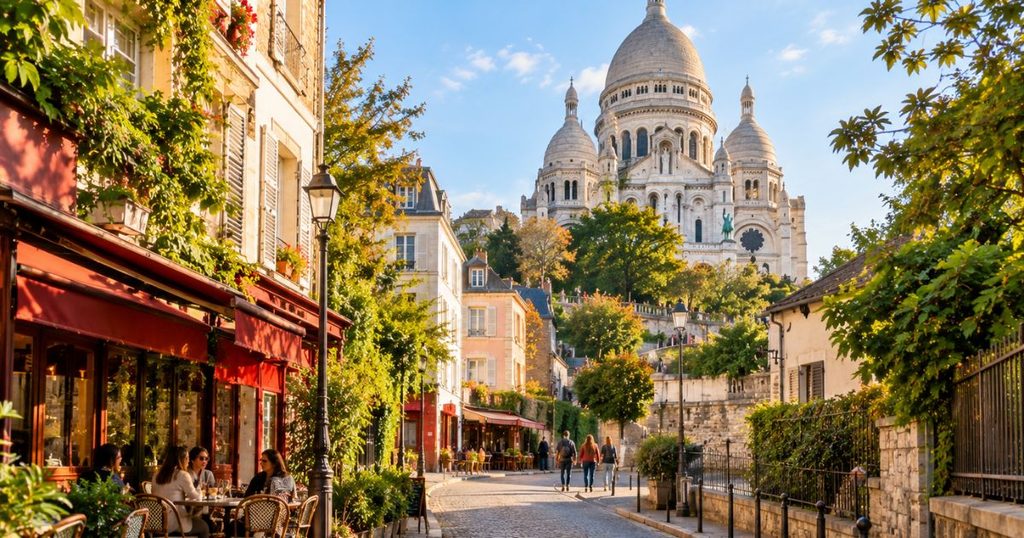
Montmartre is known for its artistic history, cobbled streets, cafés, and village-like atmosphere. Sacré-Cœur Basilica sits above the neighborhood and offers an impressive view over Paris. The surrounding streets are ideal for a leisurely walk, browsing independent shops, and discovering places away from the busiest tourist routes.
Visit early if you prefer a quieter atmosphere, and remember that the neighborhood includes steep streets and stairways. Comfortable shoes are useful for exploring the area.
Landmark planning tip: Group attractions by location, reserve timed-entry tickets where appropriate, and leave space between visits for walking, meals, and unexpected discoveries.
Hidden Gems in Paris Worth Exploring
Beyond the famous monuments, Paris has historic shopping passages, peaceful canals, unusual museums, and creative neighborhoods that can make a trip feel more personal. These places are especially appealing to returning visitors or anyone who wants to experience something different from a standard sightseeing tour.
Galerie Vivienne
Galerie Vivienne is a historic covered shopping passage known for its elegant architecture, decorative flooring, boutique shops, and distinctive atmosphere. It is a pleasant place to browse independent businesses or take a break while exploring central Paris.
Musée des Arts Forains
Located in the Bercy area, the Musée des Arts Forains features historic fairground objects, theatrical installations, and vintage attractions. Visits may require advance arrangements or a scheduled tour, so confirm the available dates and booking requirements before making it part of your itinerary.
Canal Saint-Martin
Canal Saint-Martin offers a relaxed alternative to the busiest central tourist areas. Its waterside paths, cafés, small shops, and bridges make it a good choice for an easy afternoon walk. It is also a useful area to explore if you want to see a more everyday side of Paris.
Covered Passages of Paris
Paris has several historic covered passages featuring traditional shops, cafés, and architectural details. They are particularly enjoyable on rainy days, when you can explore sheltered walkways while discovering independent businesses.
Montmartre’s Side Streets
Instead of spending all your time around the busiest squares, wander through the smaller streets of Montmartre. You may discover quieter stairways, neighborhood bakeries, local shops, and interesting views of the surrounding rooftops.
| Hidden Gem | Best For | Planning Tip |
| Galerie Vivienne | Architecture and boutique shopping | Combine it with nearby central attractions |
| Musée des Arts Forains | Unusual cultural experiences | Check tour availability in advance |
| Canal Saint-Martin | Relaxed walks and cafés | Allow time to explore at your own pace |
| Historic covered passages | Shopping and architecture | Useful for a rainy afternoon |
| Montmartre side streets | Photography and neighborhood walks | Wear comfortable walking shoes |
Things to Do in Paris Beyond Sightseeing
Paris is not only about visiting monuments. Some of its most enjoyable experiences involve trying local food, exploring markets, spending time outdoors, and discovering the city’s creative culture.
Enjoy a Traditional French Bakery
Start your morning with a croissant, baguette, pain au chocolat, or another fresh pastry from a local bakery. A simple bakery breakfast can be more affordable than a full restaurant meal and gives you a chance to experience a familiar part of daily Parisian life.
Take a Walk Along the Seine
The Seine passes many of Paris’s most famous landmarks and offers beautiful views from its riverside paths and bridges. A walk can be a relaxing way to connect sightseeing stops without adding another ticketed attraction to your schedule.
Explore Local Markets
Food markets are useful places to discover French cheeses, seasonal produce, bread, flowers, and regional specialties. Check individual market schedules before visiting because operating days and hours vary.
Discover Parisian Cafés
A traditional café is a good place to pause between activities, enjoy coffee, or watch the city move around you. Choose a café near the neighborhood you are exploring instead of traveling across town just to visit a particular spot.
Enjoy an Evening Experience
Consider a Seine cruise, a concert, a cabaret performance, or an evening walk near an illuminated landmark. Check current schedules and ticket terms before booking, especially for popular performances.
Best Time to Visit Paris
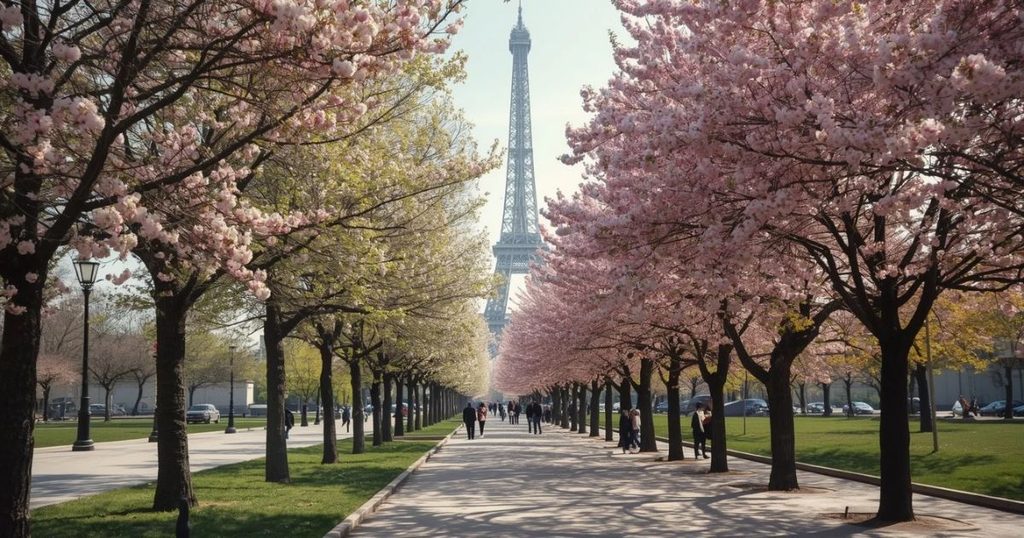
Paris can be visited throughout the year, but each season offers a different combination of weather, crowds, daylight, and activities. Spring and autumn are popular options for travelers who want to spend plenty of time walking outdoors, while summer brings longer days and winter offers a quieter atmosphere in some areas.
| Season | What to Expect | Best For | What to Consider |
| Spring, March–May | Gradually milder weather and blooming gardens | Walking, photography, outdoor cafés | Weather can change quickly |
| Summer, June–August | Longer days and a busy tourism season | Evening activities and outdoor sightseeing | Popular attractions can be crowded |
| Autumn, September–November | Cooler weather and changing foliage | Museums, neighborhood walks, cultural visits | Bring layers and rain protection |
| Winter, December–February | Shorter days and colder weather | Museums, cafés, and seasonal events | Check holiday schedules and opening times |
There is no single best month for every traveler. Choose spring or autumn if you prefer comfortable sightseeing conditions, or consider winter if indoor attractions and a quieter atmosphere appeal to you. Summer can work well for longer trips, but it is wise to book popular attractions and accommodation ahead of time.
For a visit, verify the weather forecast close to departure and check official attraction calendars before committing to particular dates.
Where to Stay in Paris: Best Areas for Every Budget
Choosing the right place to stay can make your Paris trip much easier. Rather than selecting accommodation only by its distance from the Eiffel Tower, consider nearby Metro connections, your planned activities, nighttime transport, and the total cost of getting around.
Le Marais
Le Marais is popular for historic streets, independent boutiques, cafés, and cultural attractions. It is a useful base for visitors who want to explore central neighborhoods on foot, although accommodation prices can vary significantly.
Saint-Germain-des-Prés
This Left Bank neighborhood is known for cafés, bookshops, galleries, and elegant streets. It can suit couples and travelers interested in food, culture, and leisurely walks.
Latin Quarter
The Latin Quarter has a lively atmosphere, historic streets, restaurants, and access to major attractions around the Left Bank. Compare accommodation carefully because the location and type of property can affect the price.
Montmartre
Montmartre appeals to visitors who enjoy artistic history, neighborhood cafés, and scenic streets. Some parts are steep, so consider luggage access and the distance to the nearest Metro station before booking.
Areas Near Major Transport Connections
Staying near a convenient Metro or RER connection can be a sensible option for travelers with a limited budget. Compare the total cost of accommodation and transport rather than assuming that a hotel farther from the center will always be cheaper overall.
| Traveler Type | Area to Consider | Why It May Suit You |
| First-time visitor | Le Marais or a well-connected central area | Convenient for exploring several neighborhoods |
| Couple | Saint-Germain-des-Prés | Cafés, galleries, and evening walks |
| Budget traveler | A well-connected area outside the busiest center | Potentially more accommodation choices |
| Art and culture lover | Latin Quarter or central Left Bank | Museums, historic streets, and cultural attractions |
| Traveler who enjoys village-like streets | Montmartre | Artistic atmosphere and neighborhood walks |
Before booking: Check the exact address, recent reviews, cancellation terms, local transport links, and whether taxes or additional charges are included in the displayed price.
Paris Travel Budget: How Much Should You Plan?
The cost of a Paris trip depends on the season, accommodation type, dining choices, transport needs, and number of paid attractions you visit. A budget traveler who stays in a hostel and eats at bakeries will spend differently from someone choosing a central hotel and fine-dining restaurants.
The following table is a practical budget-planning framework rather than a quotation of current market prices. Use it to identify the expenses you need to research for your dates.
| Expense Category | Budget-Friendly Approach | Where Costs May Increase |
| Accommodation | Hostel or basic room in a well-connected area | Central hotels and peak-season stays |
| Breakfast | Bakery or supermarket options | Full-service hotel breakfast |
| Lunch and dinner | Casual cafés, bakeries, and affordable restaurants | Fine dining and tourist-area restaurants |
| Transportation | Choose tickets or passes suited to your journeys | Frequent individual trips and airport transfers |
| Attractions | Combine free walks and gardens with selected paid sights | Multiple ticketed attractions and special tours |
| Extra spending | Set a daily allowance for snacks and shopping | Souvenirs, nightlife, and spontaneous purchases |
How to Keep Your Paris Trip Affordable
- Book accommodation early when your travel dates are fixed.
- Compare the cost of transport passes with the journeys you actually plan to make.
- Choose a few paid attractions that matter most to you.
- Explore public gardens, neighborhood streets, and riverside paths between ticketed visits.
- Use bakeries and casual restaurants for some meals.
- Check whether a museum or attraction offers a discount for your age group or circumstances.
- Keep a separate allowance for unexpected expenses.
For a realistic total, calculate accommodation, food, transportation, tickets, and extra spending separately. Prices can vary considerably, so check live rates for your travel dates rather than relying on a single budget figure.
Getting Around Paris: Metro, Buses and Airport Transfers
Public transportation makes it possible to visit many Paris attractions without renting a car. The Metro is useful for moving around the city, buses can provide views along the way, and RER trains connect central Paris with destinations farther away in the region.
Paris Metro and Bus Travel
Before traveling, identify the nearest stations to your accommodation and the attractions on your itinerary. Use current route information to check connections, service changes, and journey times. Walking is often convenient for exploring compact areas such as central Paris, Le Marais, and parts of Montmartre.
Île-de-France Mobilités lists the official transport fares and ticket options. Its published 2026 fares include a full-price Metro–Train–RER ticket at €2.55 and a Bus–Tram ticket at €2.05. The published Paris Region–Airports ticket is €14 at full price. Check the official fare page before departure for current validity rules, exceptions, and any subsequent changes.
Traveling from the Airport
Paris is served by major airports, including Charles de Gaulle and Orly. The best transfer option depends on your arrival airport, accommodation location, luggage, arrival time, and group size.
Compare official public transport services, airport buses, licensed taxi options, and pre-booked transfers before choosing. Confirm the pickup point and final destination, and allow extra time if you have a tight connection or are arriving during busy periods.
Practical Transport Tips
- Check whether your ticket covers the specific journey and transport mode.
- Confirm airport-transfer rules separately from ordinary city travel.
- Allow extra time for station changes and walking between platforms.
- Keep belongings secure in crowded stations and on busy trains.
- Check service updates before traveling, particularly late at night or on weekends.
A Three-Day Paris Itinerary for First-Time Visitors
Three days provide a useful introduction to Paris if you plan carefully and avoid scheduling too many large attractions on the same day. This sample itinerary groups activities by area, leaving time for meals and unexpected discoveries.
| Day | Morning | Afternoon | Evening |
| Day 1: Iconic Paris | Eiffel Tower and nearby viewpoints | Seine riverside walk and central Paris | Dinner and views of illuminated landmarks |
| Day 2: Art and History | Louvre Museum, with advance planning | Tuileries Garden and nearby historic streets | Explore a café or restaurant |
| Day 3: Neighborhoods | Montmartre and Sacré-Cœur | Historic passages, shopping, or a selected museum | Relaxed dinner and an evening walk |
Day 1: Discover the Famous Landmarks
Begin with the Eiffel Tower and allow enough time for your chosen ticket or nearby viewpoints. Continue with a walk along the Seine and explore central Paris at a comfortable pace. Finish the day with dinner and, if you wish, enjoy the city’s illuminated architecture.
Day 2: Explore Art and Historic Streets
Spend the morning at the Louvre, focusing on a few collections rather than trying to see the entire museum. Afterward, explore the Tuileries Garden and nearby streets. Keep your evening flexible for a local restaurant, café, or cultural performance.
Day 3: Experience Neighborhood Paris
Head to Montmartre in the morning to explore Sacré-Cœur and its surrounding streets. In the afternoon, visit a covered passage, browse independent shops, or choose a museum that interests you. Leave time to enjoy a relaxed meal rather than rushing to another major attraction.
Itinerary tip: Check the Louvre’s closing day before finalizing your schedule. The museum is normally closed on Tuesdays, so move your museum visit if your dates require it.
Best Day Trips from Paris
If you have more than three or four days, consider visiting a destination outside the city. A day trip can add royal history, gardens, or art-related experiences to your holiday, but travel time and opening schedules should be part of your decision.
Palace of Versailles
The Palace of Versailles is known for its royal history, grand interiors, Hall of Mirrors, and extensive gardens. It is a popular choice for travelers interested in French history and architecture. Check official admission arrangements, garden access, and opening days before choosing a date.
Château de Vaux-le-Vicomte
This historic château is known for its architecture and formal gardens. It can be a rewarding option for visitors who want to explore a grand French estate beyond the most familiar Paris attractions. Verify seasonal access and transport options before planning the trip.
Giverny
Giverny is associated with artist Claude Monet and is particularly appealing to visitors interested in Impressionist art and gardens. Availability and opening periods can be seasonal, so check the official visitor information before booking transport.
| Day Trip | Main Attraction | Best For | Planning Note |
| Versailles | Royal palace and gardens | History and architecture | Check admission and garden schedules |
| Vaux-le-Vicomte | Historic château and formal gardens | Architecture and landscaped grounds | Verify seasonal opening dates |
| Giverny | Monet-related sites and gardens | Art and nature | Confirm the operating season and transport |
For a short visit, prioritize the Paris attractions you most want to experience before adding a day trip. A well-planned city itinerary is often more enjoyable than trying to fit too many destinations into a limited stay.
Paris Travel Tips
A few simple preparations can prevent common travel problems and help you spend more time enjoying the city.
- Check entry requirements: Visa rules depend on your nationality and circumstances. Confirm the requirements that apply to your passport before booking.
- Book popular attractions carefully: Use official ticket websites and confirm the date, entry time, and cancellation terms.
- Check opening hours: Museums and monuments may have weekly closing days, temporary closures, or special schedules.
- Choose comfortable footwear: Many Paris neighborhoods are best explored on foot, and some streets are steep or uneven.
- Learn basic French greetings: Words such as “Bonjour,” “S’il vous plaît,” and “Merci” are useful when interacting with local staff.
- Protect valuables: Be alert in busy tourist areas, crowded transport, and queues.
- Plan airport transfers: Confirm the correct airport, terminal, arrival time, and onward transport before departure.
- Keep weather flexibility: Carry layers or rain protection when needed, and have an indoor alternative for rainy days.
- Check accessibility: If you have mobility needs or are traveling with a stroller, verify access arrangements for stations and attractions in advance.
- Keep essential documents secure: Store copies of important travel information separately from your original documents.
FAQs
What is the best time to visit Paris?
Spring and autumn are popular for sightseeing because temperatures are often comfortable for walking and exploring neighborhoods. Summer offers longer days but can be busier, while winter is suitable for museum visits, cafés, and seasonal activities. Your ideal dates depend on your budget, weather preferences, and planned experiences.
How many days should you spend in Paris?
Three to five days is a useful starting point for a first visit. Three days can cover major landmarks and a few neighborhoods, while a longer stay allows more time for museums, local markets, and relaxed sightseeing. Add extra days if you want to explore destinations outside the city.
What are the best places to visit in Paris?
The Eiffel Tower, Louvre Museum, Notre-Dame Cathedral, Arc de Triomphe, and Sacré-Cœur Basilica are among the best-known attractions. You can also explore Montmartre, Le Marais, and the banks of the Seine. Choose your stops according to your interests and available time.
Is Paris expensive for tourists?
Paris can be expensive, particularly for accommodation, fine dining, and popular attractions. You can manage costs by booking accommodation early, using suitable public transport tickets, choosing casual dining options, and mixing paid attractions with free walks and gardens. Make a daily budget based on your own travel style.
What are the best hidden gems to explore in Paris?
Galerie Vivienne, Canal Saint-Martin, historic covered passages, and the quieter streets of Montmartre offer alternatives to the busiest tourist spots. Musée des Arts Forains is another unusual option, although visits may require advance planning. Check opening and booking details before visiting.
What is the easiest way to get around Paris?
The Metro is a convenient way to travel between many major attractions, while buses offer another option and walking works well in compact neighborhoods. Check current ticket rules, routes, and service updates before traveling. Compare airport transfers separately from ordinary city journeys.
Where should first-time visitors stay in Paris?
Le Marais, Saint-Germain-des-Prés, the Latin Quarter, and Montmartre are all worth considering, depending on your interests and budget. Travelers should also compare accommodation near useful transport connections. Check the exact location and total price before booking.
Can you visit Paris on a budget?
Yes. Choose accommodation carefully, enjoy bakery breakfasts and casual meals, walk between nearby attractions, and select only the paid experiences that matter most to you. Research current ticket prices and transport fares before departure so that your budget reflects real costs.
What local experiences should you include in a Paris Travel Guide itinerary?
Try a French bakery, explore a neighborhood market, spend time at a café, and walk along the Seine. You can also visit a small gallery, attend a concert, or browse independent shops. These activities help you experience Paris beyond its most famous landmarks.
Which day trips are worth taking from Paris?
Versailles is a popular choice for its royal palace and gardens. Château de Vaux-le-Vicomte and Giverny are other possibilities for travelers interested in architecture, gardens, and art. Check opening schedules, travel connections, and admission details before choosing a destination.
Conclusion
Paris combines iconic architecture, celebrated museums, charming neighborhoods, French food, and memorable cultural experiences in a way few destinations can match. From the Eiffel Tower and Louvre Museum to the quieter streets of Montmartre and the historic passages of the city, there are plenty of ways to build a trip around your own interests. This Paris Travel Guide brings together the essential information you need to plan sightseeing, choose accommodation, understand transportation, and make informed decisions about your travel budget. With a balanced itinerary and a little preparation, you can explore the French capital without trying to fit everything into a single visit.
Whether you are planning a romantic escape, a family holiday, or your first trip to France, focus on experiences that matter most to you and leave time to enjoy the city at a comfortable pace. Check official websites for current prices, opening hours, transport fares, and booking arrangements before setting off. Use this Paris Travel Guide to discover famous landmarks, explore hidden corners, enjoy local food, and organize a rewarding journey. Thoughtful planning will help you make better use of your time while leaving room for the unexpected moments that make travel special.

