
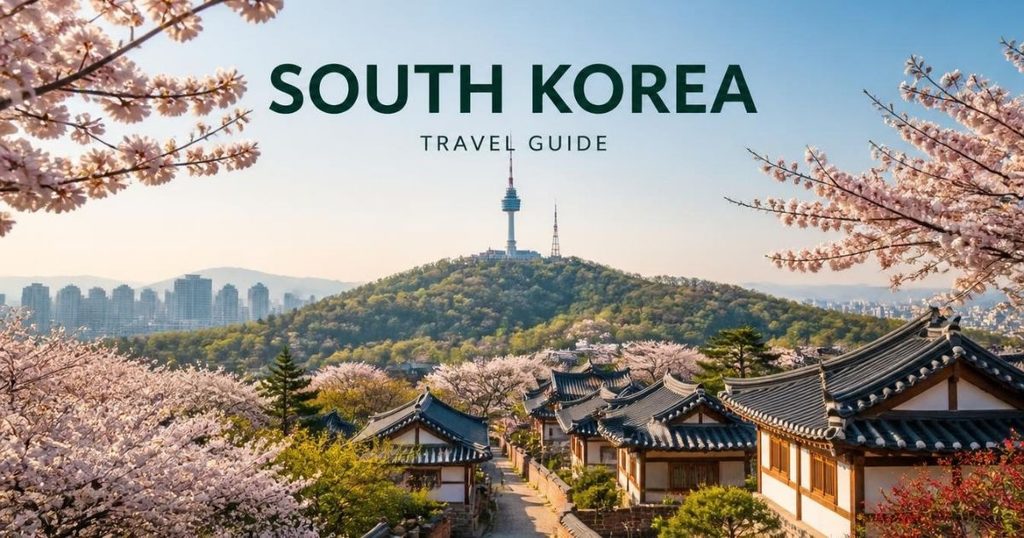
South Korea brings together royal palaces, modern cities, peaceful mountain villages, and beautiful coastlines in a way that makes every part of a trip feel different. In Seoul, visitors can explore historic palaces, browse fashion stores, and enjoy busy food streets. Busan offers sandy beaches, seafood markets, and ocean views, while Jeju Island is known for its volcanic landscapes, waterfalls, and scenic coastal routes. This South Korea Travel Guide introduces the destinations, cultural experiences, local dishes, and outdoor activities that can help you plan a memorable holiday in 2026–2027.
A successful trip depends on more than visiting famous landmarks. You also need to consider transport connections, accommodation, seasonal weather, entry requirements, and how much time each destination deserves. A short holiday may be best spent exploring Seoul and nearby attractions, while a longer visit can include Busan, Gyeongju, or Jeju Island. Use this South Korea Travel Guide to compare destinations, create a realistic itinerary, estimate your expenses, and discover experiences beyond the usual tourist highlights.
Why Visit South Korea?
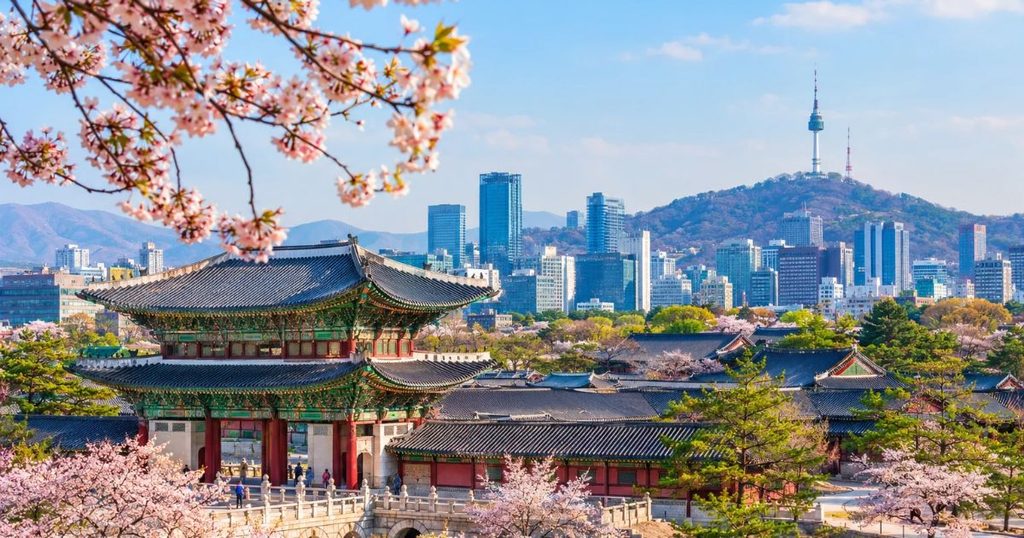
South Korea appeals to travelers with different interests because it combines cultural heritage, contemporary entertainment, outdoor adventures, shopping, and regional cuisine. You can spend one day visiting centuries-old architecture and another exploring modern shopping districts or walking along the coast.
Here are some reasons to consider South Korea for your next holiday:
- Historic landmarks: Explore royal palaces, traditional Korean houses, ancient temples, and historic fortresses.
- Modern city life: Discover shopping streets, creative neighborhoods, museums, cafés, and entertainment venues.
- Beautiful landscapes: Visit mountain trails, forests, waterfalls, volcanic formations, and coastal viewpoints.
- Korean cuisine: Try bibimbap, bulgogi, noodles, traditional market snacks, and regional specialties.
- Korean entertainment: Explore areas associated with K-pop, Korean dramas, contemporary fashion, and beauty products.
- Four distinct seasons: Experience spring blossoms, summer beaches, autumn foliage, and winter scenery.
Best Places to Visit in South Korea in 2026–2027
Choosing destinations becomes easier when you consider your interests, travel dates, and available time.
| Destination | Best known for | Suggested stay |
| Seoul | Palaces, shopping, museums, food, and nightlife | 3–4 days |
| Busan | Beaches, seafood markets, and coastal views | 2–3 days |
| Jeju Island | Volcanic scenery, waterfalls, hiking, and beaches | 3–5 days |
| Gyeongju | Silla history, temples, and historic sites | 1–2 days |
| Sokcho | Seoraksan National Park and mountain scenery | 1–2 days |
| Andong | Traditional villages and Korean heritage | 1–2 days |
| Gangneung | East Coast beaches and seaside cafés | 1–2 days |
| Suwon | Hwaseong Fortress and local food | Half a day to 1 day |
| Incheon | Chinatown, waterfront areas, and cultural attractions | Half a day to 1 day |
| Daegu | Markets, city culture, and nearby mountains | 1–2 days |
These durations are general recommendations rather than fixed rules. Add more time for hiking, island exploration, or cultural activities. For a first visit, focusing on two or three destinations is usually more enjoyable than spending most of your holiday travelling between cities.
Seoul, South Korea Travel Guide: Explore the Capital
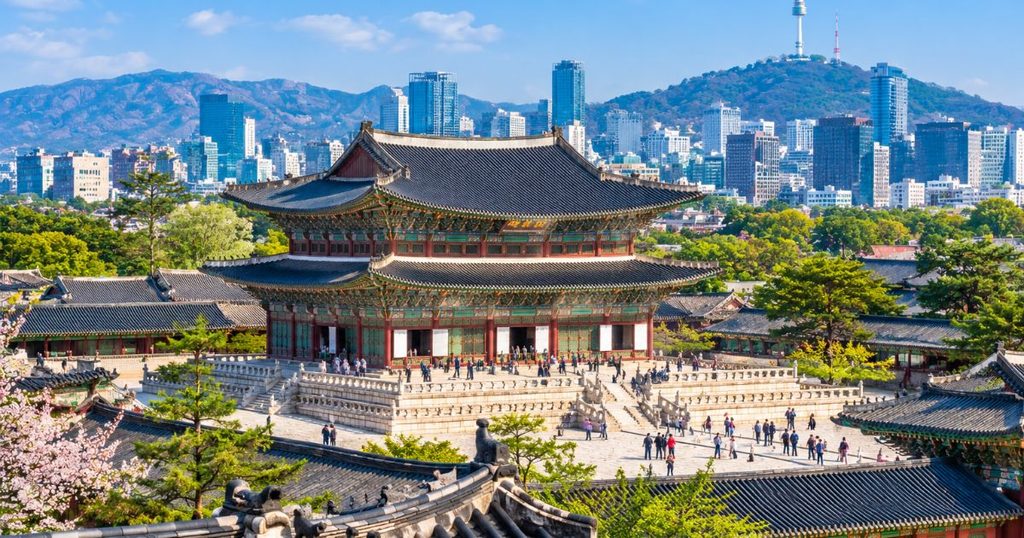
Seoul is a practical starting point for international visitors because it combines historic landmarks, modern shopping districts, traditional markets, and extensive public transport. Three or four days allow many travelers to explore several neighborhoods without rushing.
Historic Seoul: Palaces and Traditional Streets
Gyeongbokgung Palace is one of the capital’s best-known historic attractions. Its gates, courtyards, and traditional buildings provide a glimpse into Korea’s royal past. Check official visitor information before travelling because opening days, admission arrangements, and ceremony schedules can change.
Nearby Bukchon Hanok Village features traditional Korean houses and narrow streets. Since it is also a residential neighborhood, visitors should follow posted access rules, keep noise low, and respect residents’ privacy.
Insadong is another worthwhile stop for traditional crafts, tea houses, cultural products, and souvenirs.
Suggested historic route:
- Morning: Explore Gyeongbokgung Palace.
- Late morning: Walk through nearby historic streets.
- Afternoon: Visit Insadong and enjoy a traditional tea house.
- Evening: Have dinner near your accommodation or explore a nearby market.
Modern Seoul: Shopping, Cafés and Entertainment
Myeongdong is popular for skincare products, cosmetics, fashion, and street food. Hongdae offers independent stores, cafés, music venues, and a lively evening atmosphere. Seongsu-dong is known for design-focused cafés, concept stores, fashion pop-ups, and renovated industrial spaces.
For a quieter break, visit a Han River park to walk, cycle, picnic, or enjoy city views. N Seoul Tower is another option for panoramic scenery, particularly around sunset when the weather is clear.
Suggested modern route:
- Morning: Explore cafés and design stores in Seongsu-dong.
- Afternoon: Choose a shopping district or museum.
- Evening: Visit Hongdae for food and entertainment, or relax beside the Han River.
Seoul is a large city, so group nearby attractions together. Seongsu-dong and Hongdae are separate areas, and travelling between them takes time.
Experience Traditional Korean Culture and Heritage
South Korea’s heritage extends beyond Seoul. Historic cities, traditional villages, temples, and local crafts help visitors understand the country’s history and regional traditions.
Gyeongju: Discover the Ancient Silla Kingdom
Gyeongju is an excellent destination for travelers interested in Korean history. The city contains historic burial mounds, temple sites, traditional architecture, and cultural landmarks associated with the Silla Kingdom.
Bulguksa Temple and Seokguram Grotto are among its most significant heritage attractions. Allow enough time to explore several sites rather than treating Gyeongju as a quick stop between trains.
Andong: Traditional Village Life
Andong is known for traditional Korean culture and historic village architecture. Hahoe Folk Village allows visitors to learn about traditional houses and historical community life.
Some heritage areas contain occupied homes, so respect residents’ privacy and follow local guidance. Cultural performances and special visitor activities may operate seasonally, so check availability before making travel arrangements.
Cultural Experiences Worth Adding
- Visit a traditional market to see local ingredients and everyday shopping.
- Join a Korean cooking class or traditional craft workshop.
- Try wearing a hanbok through a reputable rental provider.
- Visit temples and heritage sites respectfully, following photography rules.
- Learn a few Korean expressions, such as annyeonghaseyo for hello and gamsahamnida for thank you.
South Korea’s Countryside: Villages, Mountains and Quiet Escapes
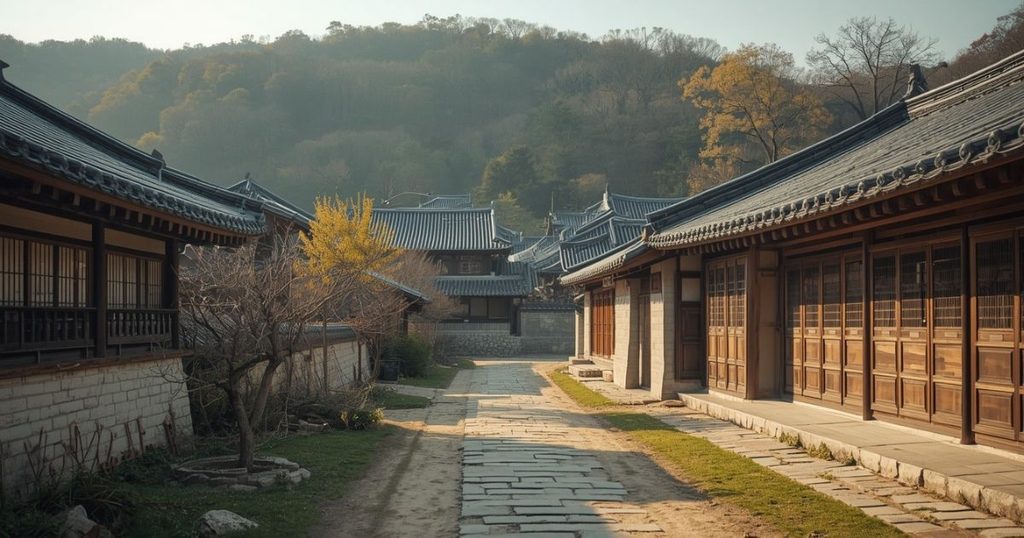
The countryside provides a slower pace than the busy streets of Seoul. Mountain valleys, traditional settlements, forest trails, and riverside paths are appealing to visitors who enjoy nature, photography, and relaxed travel.
Nami Island and the Gapyeong Area
Nami Island is known for tree-lined paths and seasonal scenery. It is commonly visited as a day trip from Seoul, sometimes alongside other attractions in the Gapyeong area.
Spring greenery and autumn colors can make the island especially attractive, although weekends and peak travel periods may be crowded. Check current transport connections and ferry schedules before leaving Seoul.
Sokcho and Seoraksan National Park
Sokcho is a useful base for visiting Seoraksan National Park, an area known for mountain trails, dramatic rock formations, forests, and seasonal foliage.
Trail difficulty and weather conditions vary. Check park notices, access restrictions, and transport schedules before setting out. Carry water, wear appropriate footwear, and allow enough time to return safely.
Tips for Exploring Rural Areas
- Check the last bus or train before starting a day trip.
- Save your accommodation address and directions offline.
- Allow extra time for journeys involving multiple transfers.
- Respect private property, farms, and village quiet hours.
- Choose accommodation near the activities you want to enjoy.
- Consider a guided excursion if reaching a remote attraction independently would be difficult.
Rural destinations are most enjoyable when you allow time to explore without rushing between stops.
Best Coastal Destinations in South Korea
South Korea’s coastline includes busy urban beaches, fishing ports, seaside cafés, and scenic walking routes. Choose your destination according to whether you prefer city facilities, a relaxed beach holiday, or nature-focused exploration.
Busan: Beaches and Waterfront Culture
Busan combines coastal scenery with the convenience of a major city. Haeundae Beach is one of its best-known seaside areas, while Gwangalli Beach offers views of Gwangan Bridge.
Gamcheon Culture Village is known for its colorful hillside streets and viewpoints. Jagalchi Market is associated with Busan’s seafood culture and offers a glimpse into the city’s food traditions.
Allow two or three days to explore the beaches, markets, restaurants, and different neighborhoods at a comfortable pace.
Gangneung: Relaxed East Coast Views
Gangneung is known for its beaches, seaside cafés, and relaxed coastal atmosphere. It can suit visitors who want ocean views without staying in a large metropolitan area.
Combine beach time with local food and walks around the surrounding area. Check transport connections and accommodation locations if you plan to visit several beaches outside the city center.
Jeju Island: Beaches and Volcanic Coastlines
Jeju offers rocky shorelines, sandy beaches, waterfalls, and volcanic formations. Hamdeok and Hyeopjae are popular choices for coastal scenery, while scenic roads provide opportunities to stop at viewpoints and local cafés.
Coastal Travel Tips
- Check local weather, sea conditions, and swimming guidance.
- Confirm whether seasonal facilities and lifeguard services are operating.
- Carry sun protection in summer and wind protection in cooler months.
- Book accommodation early for busy summer periods and holiday weekends.
- Follow local rules in protected coastal areas.
- Choose one main coastal base if your trip is short.
Jeju Island Travel Guide: Nature, Hiking and Scenic Routes
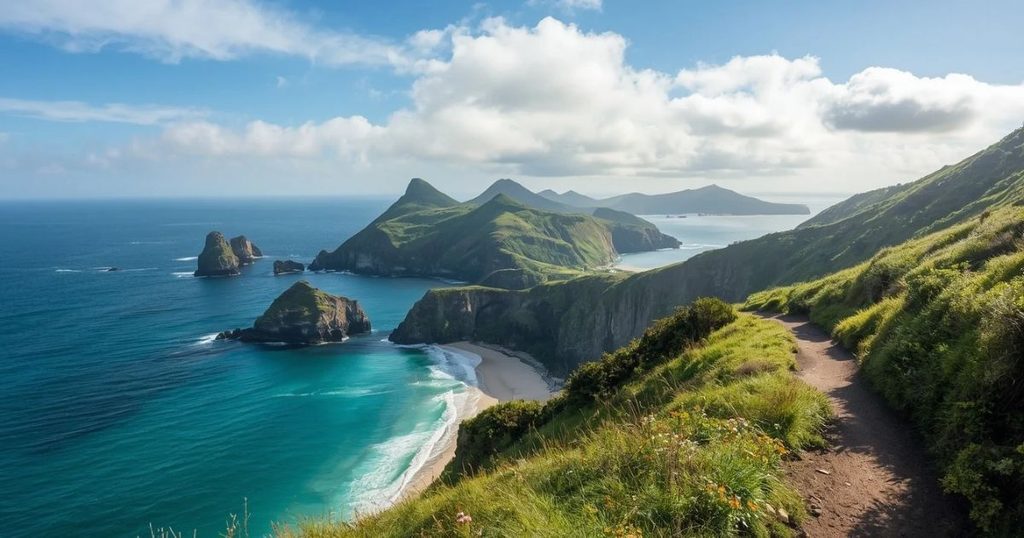
Jeju Island is one of the country’s most distinctive destinations because of its volcanic landscapes, coastal scenery, hiking routes, waterfalls, and local food. This part of your South Korea Travel Guide is particularly useful if you prefer outdoor activities over busy city sightseeing.
Top Places to Explore on Jeju Island
Seongsan Ilchulbong: This volcanic tuff cone is famous for its distinctive shape and sunrise views. Check current access information and allow time for the uphill walk if you plan to visit the summit area.
Hallasan Mountain: Hallasan is South Korea’s highest mountain and a major hiking destination. Particular routes may have reservation requirements or access restrictions. Check official park guidance and weather conditions before starting a hike.
Jeju’s Waterfalls: Jeongbang and Cheonjiyeon are recognized waterfall attractions. Confirm current opening hours and access arrangements before visiting.
Hamdeok and Hyeopjae beaches: These beaches are popular for coastal scenery and relaxed seaside visits.
Osulloc Tea Area: Visitors interested in tea culture can explore tea-related products, cafés, and green surroundings. Check the opening hours of individual facilities.
Is Renting a Car Worth It?
A rental car can make it easier to explore Jeju because attractions are spread across the island. However, it is not essential for every traveler.
Before booking, confirm whether your driving licence is accepted in South Korea and whether an International Driving Permit is required for your circumstances. Check the rental company’s age limits, licence requirements, insurance coverage, payment rules, and damage excess.
If you prefer not to drive, use public buses, taxis, organized tours, or prearranged transfers. Public transport can require more time between attractions, so group nearby places together and avoid packing too many distant stops into one day.
Korean Food Guide: Local Dishes and Dining Tips
Food is an important part of exploring South Korea. Traditional markets, casual restaurants, cafés, and regional specialties offer different ways to experience local culture.
| Korean dish | What to expect | Helpful tip |
| Bibimbap | Rice with vegetables and assorted toppings | Check the sauce and toppings if you have dietary restrictions |
| Bulgogi | Commonly marinated beef | Ask about the marinade and cooking method |
| Kimchi | Fermented vegetables, often cabbage or radish | Recipes and spice levels vary |
| Tteokbokki | Rice cakes in a commonly spicy sauce | Ask about stock and other ingredients |
| Samgyeopsal | Grilled pork belly | Not suitable for people avoiding pork |
| Japchae | Glass noodles with vegetables and other ingredients | Confirm whether meat or seafood is included |
| Korean pancakes | Savory pancakes with different fillings | Ingredients may include seafood, meat, or egg |
| Hotteok | Sweet filled pancake | A popular snack at many markets |
Ingredients vary by restaurant. If you have an allergy or dietary restriction, explain it clearly and confirm how the food is prepared.
Halal and Muslim-Friendly Food
Muslim travelers can find halal and Muslim-friendly dining options in several destinations, particularly in major urban areas. However, a dish should not be assumed halal simply because it contains vegetables or seafood. Recipes may include meat stock, pork-derived ingredients, cooking wine, or shared preparation surfaces.
Itaewon in Seoul has a range of restaurants serving halal and international food, but certification and availability differ between businesses.
For a more reliable dining experience:
- Check current information from recognized halal-certification sources.
- Confirm whether a restaurant is halal-certified or simply Muslim-friendly.
- Ask about meat sourcing, sauces, stock, and alcohol-based ingredients.
- Check whether separate cooking utensils or surfaces are used when necessary.
- Verify restaurant locations and opening hours before visiting.
Planning suitable dining options in advance can be particularly helpful when travelling outside major cities.
South Korea Travel Budget: How Much Should You Plan?
Your travel expenses depend on accommodation, dining, transport, shopping, and the season. Seoul and popular coastal destinations may be more expensive during busy periods, while smaller towns can offer different accommodation options.
The following figures are rough planning estimates per person, not live quotations or guaranteed 2026–2027 prices. Actual expenses can vary by location, booking date, room type, and exchange rate.
Estimated Daily Travel Budget
| Travel style | Approximate daily budget | Typical approach |
| Budget-conscious | ₩80,000–₩150,000 | Hostel or basic guesthouse, casual meals, public transport, selected free attractions |
| Mid-range | ₩150,000–₩300,000 | Private room or mid-range hotel, a mix of restaurants and casual meals |
| More comfortable | ₩300,000–₩500,000+ | Higher-priced hotels, varied dining, taxis, guided activities, and flexible spending |
These figures are for initial planning. They may not cover international flights, major shopping, expensive tours, special events, or unusually high seasonal hotel rates. Accommodation alone can push daily spending above these ranges.
Ways to Save Money
- Compare accommodation by total cost, including taxes and fees.
- Choose a convenient location near public transport.
- Combine free parks, markets, scenic walks, and selected paid attractions.
- Compare train, bus, and flight options before travelling between cities.
- Set a separate allowance for shopping and cafés.
- Check whether a transport or attraction pass suits your actual plans.
- Consider travelling outside major holiday periods if your schedule is flexible.
Remember to budget separately for international flights, insurance, mobile data, airport transfers, and entry-related costs. Confirm current prices for your travel dates before making bookings.
How to Travel Around South Korea Efficiently

South Korea offers metro systems, local buses, express buses, high-speed trains, taxis, and domestic flights. The best option depends on the distance, schedule, luggage, and location of your accommodation.
Getting from Incheon Airport to Seoul
Travelers arriving at Incheon International Airport can compare the Airport Railroad, airport limousine buses, and taxis.
The Airport Railroad is useful for reaching Seoul Station. Airport buses may be more convenient if a route stops near your hotel, while a taxi can be practical for groups or travelers carrying heavy luggage.
Check current timetables, fares, terminal details, and operating hours before travelling, especially if you arrive late at night.
Using Seoul’s Metro and Buses
The Seoul Metro connects many major sightseeing areas and is often a practical choice for city travel. A rechargeable transport card, such as T-money where accepted, can simplify payment on participating services.
Check current card options and usage rules before your trip. A transport card is not necessarily an unlimited travel pass, and different passes may have different service areas and conditions.
Naver Map and KakaoMap can help with route planning. Review station exits, walking distances, transfer points, and bus schedules instead of relying only on estimated travel time.
Travelling Between Cities
KTX and other intercity rail services connect major destinations. Express buses can be an alternative on selected routes, while domestic flights may be practical for reaching Jeju Island.
For rail bookings, check the official KORAIL website. Compare the complete journey, including getting to the station, rather than looking only at the time spent on the train.
Transport Planning Checklist
- Book popular rail services in advance during busy periods.
- Check luggage rules and airport transfer times before domestic flights.
- Save station names in Korean as well as English where possible.
- Keep a backup route in case of delays or missed connections.
- Compare the cost of a transport pass with the journeys you plan to make.
- Allow extra travel time in rural areas and on parts of Jeju Island.
Official tourism information about transport and visitor resources is available through VisitKorea.
Best Time to Visit South Korea
South Korea experiences four distinct seasons, and each changes the weather, scenery, and activities available. Your ideal travel period depends on whether you prefer blossoms, beach weather, autumn foliage, or winter experiences.
| Season | General conditions | Best suited to | What to consider |
| Spring | Mild weather and seasonal blossoms | City walks, gardens, photography | Blossom dates vary by region and weather |
| Summer | Warm or hot conditions, humidity, and rain | Beaches, island trips, summer activities | Heat, heavy rain, and possible typhoons |
| Autumn | Cooler weather and colorful foliage | Hiking, sightseeing, scenic drives | Popular foliage weekends can be busy |
| Winter | Cold weather, with snow in some regions | Winter scenery and skiing in suitable areas | Warm clothing and weather disruptions |
Spring: Flowers and Comfortable Walks
Spring is appealing for gardens, blossoms, historic sites, and outdoor sightseeing. Blooming dates vary by region and weather, so check local forecasts rather than relying on a fixed calendar.
Summer: Beaches and Island Travel
Summer is suitable for coastal activities, but high temperatures, humidity, rainy periods, and occasional typhoons can affect outdoor plans. Keep your schedule flexible and have indoor alternatives available.
Autumn: Mountains and Colorful Landscapes
Autumn is popular for hiking, photography, and comfortable sightseeing. Foliage timing differs by region and elevation, so check local updates before visiting Seoraksan or other mountain areas.
Winter: Cold-Weather Experiences
Winter brings cold conditions and possible snow in some regions. Pack warm layers, check transport updates during severe weather, and confirm ski-resort operating dates before booking.
Also check the dates of Seollal and Chuseok, major Korean holidays when transport demand can increase and some businesses may follow different schedules.
South Korea Itinerary: How to Spend 5 or 7 Days
A realistic itinerary gives you time to enjoy each destination instead of spending most of your holiday travelling. This South Korea Travel Guide recommends grouping nearby attractions together and choosing a manageable number of destinations.
Five-Day South Korea Itinerary
Day 1: Arrive in Seoul
Arrive at Incheon International Airport, travel to your accommodation, and settle in. If you have enough energy, explore a nearby neighborhood, try a local meal, and rest before a full sightseeing day.
Day 2: Discover Historic Seoul
Visit Gyeongbokgung Palace in the morning, then explore nearby traditional streets. Spend the afternoon in Insadong, browsing crafts and enjoying a tea house. Keep the evening relaxed with dinner near your hotel.
Day 3: Explore Modern Seoul
Choose one or two areas, such as Myeongdong for shopping or Seongsu-dong for cafés and design stores. In the evening, visit Hongdae for food and entertainment or walk beside the Han River.
Day 4: Take a Day Trip
Visit Suwon to explore Hwaseong Fortress, or choose the Gapyeong area for Nami Island and nearby attractions. Check transport connections and return times before leaving Seoul.
Day 5: Enjoy a Relaxed Morning and Depart
Have breakfast, buy any last-minute souvenirs, and travel to the airport with sufficient time for your flight. Avoid scheduling a distant attraction before an international departure.
This itinerary is suitable for travelers who want to focus on Seoul and a nearby destination without changing hotels repeatedly.
Seven-Day South Korea Itinerary
Day 1: Arrive in Seoul
Check in, recover from your journey, and explore a nearby street or market. Keep the first day flexible in case your flight is delayed.
Day 2: Visit Seoul’s Historic Attractions
Explore Gyeongbokgung Palace, nearby historic streets, and Insadong. Check palace opening information before travelling and leave time for a relaxed lunch.
Day 3: Experience Modern Seoul
Spend the day shopping, visiting cafés, exploring a museum, or relaxing beside the Han River. Choose areas based on your interests instead of trying to cover the whole city.
Day 4: Travel to Busan
Take an intercity train or another suitable service to Busan. After checking in, explore a nearby waterfront area or enjoy dinner in the city.
Day 5: Explore Busan’s Coastline
Visit Haeundae Beach or Gwangalli Beach, then explore local food spots. Check travel time between attractions because the city’s coastal areas are spread out.
Day 6: Discover Busan’s Culture and Markets
Visit Gamcheon Culture Village or Jagalchi Market, depending on your interests. Leave time for a local meal and a relaxed evening rather than adding too many distant stops.
Day 7: Return or Depart
Return to Seoul if your international flight leaves from Incheon, or depart from your planned airport if the flight arrangements allow. Confirm the complete transfer time before booking tickets.
A seven-day trip is generally more comfortable when focused on Seoul and Busan. Adding Jeju as well may leave too little time to enjoy each destination.
Where to Stay in South Korea
The location of your accommodation can influence how much you enjoy a trip. A cheaper room far from public transport may create extra travel time and taxi expenses.
| Area | Best suited to | Before booking |
| Myeongdong, Seoul | First-time visitors, shopping, central sightseeing | Popular streets can be busy |
| Hongdae, Seoul | Cafés, independent shops, nightlife | Check potential evening noise |
| Jongno, Seoul | Palaces, history, traditional neighborhoods | Compare walking distances to stations |
| Haeundae, Busan | Beach stays and coastal activities | Seasonal prices may rise |
| Seomyeon, Busan | Shopping, dining, transport connections | Less focused on beachfront stays |
| Jeju City | Airport access and northern Jeju | Many attractions still require transport |
| Seogwipo, Jeju | Waterfalls and southern island scenery | Northern attractions may be farther away |
| Central Gyeongju | Historic sites and cultural sightseeing | Check access to individual attractions |
Before booking, review cancellation policies, total fees, check-in times, luggage storage, room size, and transport access. For Jeju, decide whether you will rent a car, join tours, or use public transport before choosing your accommodation base.
Entry Requirements and Essential Travel Tips
Visa and entry requirements depend on your passport, travel purpose, length of stay, and arrival date. Do not assume that visa-free access or an electronic travel authorization exemption applies to every nationality.
Before departure:
- Check the Korea Visa Portal to determine whether you need a visa.
- If eligible for visa-free entry, check the official K-ETA website for authorization requirements and any temporary exemptions.
- Check the official e-Arrival Card website to confirm whether you need to submit an arrival declaration.
- Confirm passport validity and supporting documents required for your circumstances.
- Keep your accommodation details and return or onward travel information accessible.
The official e-Arrival Card service states that eligible travelers can submit the form online within three days before arrival, based on Korean Standard Time, at no charge. Travelers with a valid K-ETA are generally exempt from submitting an arrival card, but individual requirements should be checked.
Important for 2027: A temporary K-ETA exemption for eligible nationalities has been announced through December 31, 2026. Do not assume this exemption will continue into 2027. Recheck the official website close to your travel date, and use genuine government websites.
Additional tips for a smoother trip:
- Arrange an eSIM, physical SIM card, or portable Wi-Fi before arrival.
- Save hotel addresses and booking confirmations offline.
- Check payment options and carry a backup payment method.
- Follow visitor rules at temples, palaces, and residential heritage areas.
- Avoid photographing people without permission.
- Pack comfortable walking shoes and clothing suitable for the season.
- Check attraction opening days and reserve popular activities where required.
Common South Korea Travel Mistakes to Avoid
Even a well-planned trip can become stressful if you underestimate distances or try to cover too many places.
Planning too many cities: Every extra destination adds travel time. Choose a route that matches the length of your holiday.
Ignoring opening schedules: Check official information for palace closing days, attraction hours, and seasonal restrictions.
Relying on one navigation app: Install a local mapping app and save important locations in advance.
Leaving transport bookings too late: Popular services may have limited availability during busy travel periods.
Choosing accommodation only by price: Consider station access, return journeys, and your daily sightseeing route.
Underestimating Jeju’s distances: Attractions spread across the island can take significant time to reach. Plan by region and choose transport in advance.
Assuming every restaurant meets your dietary needs: Check ingredients, preparation methods, and certification where relevant.
Ignoring seasonal weather: Heat, rain, cold, and mountain conditions can affect outdoor plans.
Forgetting entry requirements: Review visa status, passport validity, and required electronic documentation before departure.
Scheduling too much on departure day: Leave enough time for airport transfers, check-in, and possible delays.
Frequently Asked Questions
What are the best places to visit in South Korea?
Seoul, Busan, Jeju Island, Gyeongju, Sokcho, and Gangneung are excellent starting points. Seoul is ideal for city culture and shopping, Busan for coastal attractions, Jeju for nature, and Gyeongju for history. Choose destinations based on the time you have available.
How many days are enough for a South Korea trip?
Five days can work for Seoul and nearby attractions. Seven days allow you to combine Seoul with Busan, while ten days provide more flexibility for historic cities or Jeju Island. A longer visit is helpful if you want to explore Jeju’s hiking trails and several coastal areas.
What is the best time to visit South Korea?
Spring and autumn are popular for comfortable sightseeing and seasonal scenery. Summer is suitable for beaches and island trips, while winter offers cold-weather experiences and possible snow. Weather, blossom dates, and foliage timing vary by region and year.
Is South Korea expensive for tourists?
Costs depend on accommodation, food, transport, shopping, and travel dates. Budget-conscious visitors can use public transport, choose guesthouses, and combine free attractions with selected paid activities. Use daily estimates as a starting point and confirm current prices before booking.
Do I need a visa to visit South Korea?
Visa requirements depend on nationality, travel purpose, and intended length of stay. Some travelers qualify for visa-free entry, while others need a visa or electronic authorization. Check the official Korea Visa Portal and relevant Korean embassy before booking non-refundable travel.
Is public transportation easy to use in South Korea?
Major cities have well-developed metro and bus networks, and intercity trains connect many destinations. Local navigation apps and a suitable transport card can make journeys easier. Transport may be less frequent in rural areas and on parts of Jeju Island, so check routes in advance.
Is Jeju Island worth visiting without a car?
Yes, but you need to plan carefully. Public buses, taxis, and organized tours can help you explore, although journeys may take longer than driving. Stay near the attractions you want to visit, group stops by region, and avoid trying to cover the entire island in one day.
Can Muslim travelers find halal food in South Korea?
Halal and Muslim-friendly dining options are available in several destinations, especially in major urban areas. Certification and ingredients vary by restaurant, so check current listings and ask about meat sourcing, sauces, cooking methods, and shared preparation surfaces.
What should I pack for South Korea?
Pack comfortable walking shoes, season-appropriate clothing, a suitable power adapter, mobile internet access, and essential travel documents. Bring rain protection when appropriate, and pack proper equipment if you plan to hike. Save key addresses and booking details offline.
What is the best way to travel between Seoul and Busan?
High-speed rail is a popular option because it connects the two cities without needing to fly. Express buses can be an alternative depending on your schedule and budget. Compare stations, fares, travel times, and ticket availability before choosing.
Conclusion
South Korea Travel Guide brings together royal palaces, modern neighborhoods, traditional villages, scenic mountains, volcanic landscapes, and memorable coastal destinations. Seoul is an excellent introduction to Korean culture and contemporary city life, Busan offers beaches and waterfront experiences, Jeju is ideal for outdoor exploration, and Gyeongju provides a deeper look at the country’s history. Rather than trying to visit every destination, choose a route that gives you enough time to enjoy each place.
Use this South Korea Travel Guide to create a realistic itinerary, compare accommodation and transport, estimate your expenses, and check current entry requirements before departure. Leave room for local markets, regional food, countryside walks, and unexpected discoveries instead of rushing from one attraction to another. With thoughtful planning and up-to-date information, your trip can offer a rewarding balance of cities, countryside, and coastal wonders.
Read More:
Colosseum Rome Travel Guide: History, Tickets & Visiting Tips
Paris Travel Guide: Explore Iconic Landmarks, Hidden Gems & Local Experience

