

Planning a trip to Bali is easier when you know where to stay, which attractions are worth visiting, and how much time and money to set aside. This Bali Travel Guide covers the island’s famous temples, beautiful beaches, green rice terraces, waterfalls, local food, and quieter villages, along with practical tips for planning your holiday in 2026–2027. Whether you want to watch the sunset at Uluwatu Temple, explore the cultural streets of Ubud, snorkel around Nusa Penida, or enjoy a peaceful stay surrounded by tropical landscapes, Bali offers plenty of ways to create a memorable trip.
For first-time visitors, the biggest challenge is often deciding what to include without spending too much time in traffic or moving between hotels. This Bali Travel Guide brings together suggested itineraries, accommodation comparisons, transportation options, seasonal advice, estimated travel costs, and essential entry information to help you make informed decisions. You will also discover lesser-known places, traditional Indonesian dishes, and responsible travel tips that can make your visit more rewarding. With a flexible plan and realistic expectations, you can enjoy Bali’s natural beauty and local culture without rushing from one attraction to another.
- Trip duration: Seven days is a useful starting point for exploring several parts of Bali without rushing every day.
- Accommodation: Compare hotels, guesthouses, resorts, and private villas based on location, facilities, reviews, and total cost.
- Transportation: Travel times can be longer than expected because of traffic and winding roads.
- Weather: Bali has generally wetter and drier periods, but tropical showers can occur throughout the year.
- Travel documents: Check your passport validity, visa eligibility, and current entry requirements before departure.
- Responsible tourism: Respect religious sites, local customs, wildlife, and the natural environment.
Planning tip: Choose your accommodation according to the places you want to visit. Bali’s road traffic can make journeys between different areas much longer than they appear on a map.
Best Places to Visit in Bali for First-Time Travelers
Bali has several distinct regions, each offering a different experience. Choosing the right destinations will help you spend less time traveling between attractions and more time enjoying them.
Ubud: Rice Terraces, Culture and Tropical Nature
Ubud is one of Bali’s best-known destinations for travellers interested in traditional arts, green landscapes, wellness retreats, and Balinese culture. The surrounding area features rice fields, craft shops, temples, forest walks, and scenic countryside.
Visit the Ubud Art Market, explore nearby rice terraces, and plan a trip to a waterfall if you have enough time. The Sacred Monkey Forest Sanctuary is another popular attraction, but visitors should follow the rules, avoid feeding monkeys, and keep personal belongings secure.
Best for: Culture, nature, photography, wellness, and slower-paced holidays.
Suggested time: Two or three nights.
Seminyak: Restaurants, Shopping and Sunset Beaches
Seminyak is a popular coastal area known for restaurants, boutique shopping, stylish hotels, beach clubs, and sunset views. It can suit travellers who want a mixture of beach time, dining, and evening entertainment.
Spend the afternoon exploring local shops, enjoy a meal at a restaurant, or take a walk along Seminyak Beach around sunset. The neighbourhood can be busy, particularly during popular travel periods, so check accommodation reviews for noise and road access.
Best for: Couples, dining, shopping, and beachside stays.
Suggested time: One or two nights, depending on your interests.
Canggu: Cafes, Surfing and a Lively Atmosphere
Canggu attracts surfers, digital nomads, café lovers, and visitors who enjoy a social atmosphere. The area has independent shops, casual restaurants, fitness studios, and beachside venues.
If you want to try surfing, choose a reputable instructor and a beach suited to your experience level. Canggu is not necessarily the best choice for travellers seeking complete quiet, as popular streets can become congested.
Best for: Surfing, cafés, casual dining, and social experiences.
Suggested time: One or two nights.
Dramatic Cliffs and Ocean Views
Uluwatu is famous for its rugged coastline, surf breaks, scenic viewpoints, and clifftop temples. Uluwatu Temple is particularly popular near sunset, when visitors can also watch a traditional Kecak dance performance on scheduled evenings.
Arrive early enough to explore the temple surroundings and allow time for traffic. Follow posted dress requirements and keep a safe distance from cliff edges.
Best for: Sunset photography, coastal scenery, surfing, and romantic trips.
Suggested time: One or two nights.
Nusa Penida: Spectacular Coastal Scenery
Nusa Penida is an island southeast of mainland Bali, known for its striking rock formations, rugged coastlines, and scenic viewpoints. Kelingking Beach, Broken Beach, and Angel’s Billabong are among its best-known attractions.
A day trip is possible, but boat schedules, road conditions, and queues at viewpoints can make the experience tiring. An overnight stay may be more comfortable if you want to explore several areas without rushing.
Swimming is not safe at every viewpoint or beach. Follow local advice, observe warning signs, and never approach unstable cliff edges for photographs.
Best for: Dramatic landscapes, photography, and island excursions.
Suggested time: One full day or one overnight stay.
Tirta Gangga: A Historic Water Palace in East Bali
Tirta Gangga is a landscaped water palace with ornamental pools, stepping stones, fountains, and gardens. It offers a different experience from Bali’s busy southern coastal districts and can be combined with other East Bali attractions.
Plan your transport carefully because visiting several eastern destinations in one day may involve substantial driving.
Best for: Gardens, photography, architecture, and cultural sightseeing.
Amed: Quiet Coastal Scenery and Snorkelling
Amed is a coastal area in East Bali known for fishing boats, volcanic scenery, a relaxed atmosphere, and access to snorkelling and diving sites. It can be a good choice for visitors who prefer a slower coastal stay over busy beach clubs.
Sea conditions and underwater visibility change throughout the year. Ask local operators about conditions, equipment, and safety before booking an activity.
Best for: Snorkelling, diving, coastal relaxation, and quieter holidays.
Travel tip: Choose your base according to your interests. Ubud is ideal for inland landscapes, while Seminyak or Canggu may suit travelers who want dining and nightlife. Uluwatu is a good option for clifftop scenery and surf beaches.
Which Bali destinations should you choose?
| Destination | Best for | Suggested stay |
| Ubud | Culture, rice terraces, nature | 2–3 nights |
| Seminyak | Restaurants, shopping, sunsets | 1–2 nights |
| Canggu | Surfing, cafes, social atmosphere | 1–2 nights |
| Uluwatu | Cliffs, beaches, temples | 1–2 nights |
| Nusa Penida | Coastal viewpoints, island scenery | 1 day or overnight |
| Amed | Snorkelling, diving, relaxation | 2 nights if exploring East Bali |
These are planning suggestions, not fixed requirements. You can skip destinations that do not match your interests or travel schedule.
Hidden Gems in Bali: Waterfalls, Villages and Quiet Beaches
Bali’s quieter corners can be just as memorable as its famous attractions. Some are increasingly popular, so it is better to think of them as alternative experiences rather than guaranteed crowd-free destinations.
Sekumpul Waterfall: A Scenic Escape in North Bali
Sekumpul Waterfall is surrounded by lush vegetation and dramatic natural scenery. Reaching viewpoints or the waterfall area may involve steep stairs, uneven ground, and slippery paths.
Start early, wear shoes with good grip, and confirm current access conditions and any local guide requirements. Avoid entering the water when currents are strong or local conditions are unsafe.
Sidemen: Rice Fields and Mountain Views
Sidemen is a rural area in East Bali known for rice fields, village scenery, walking opportunities, and views towards Mount Agung when visibility is good.
It is a suitable option for travellers who want to slow down, enjoy the landscape, and experience a quieter side of Bali. Choose locally operated accommodation or a guided walk if you want to learn more about the area and its agricultural traditions.
Tirta Gangga: Gardens and Traditional Design
Although Tirta Gangga is a recognised attraction rather than a secret destination, it can be a rewarding stop away from Bali’s busiest southern areas. Its pools, fountains, and garden pathways make it particularly appealing to visitors interested in architecture and photography.
Visit earlier in the day if practical, and combine it with other nearby attractions to make the journey worthwhile.
Amed: A Relaxed Alternative to Busy Beach Areas
Amed offers a slower coastal atmosphere, fishing villages, and access to underwater activities. It is worth considering if you prefer spending more time in one place instead of visiting crowded beach venues every day.
Choose a reputable snorkelling or diving operator and follow instructions about currents, equipment, and marine life.
How to enjoy quieter places responsibly
- Visit early in the morning when practical.
- Hire local guides for difficult trails or places where local guidance is recommended.
- Carry drinking water and take all rubbish away with you.
- Ask permission before photographing residents or ceremonies.
- Avoid unsafe cliff edges and swimming in strong currents.
- Check whether an attraction requires advance reservations or a local entrance fee.
Best Time to Visit Bali in 2027: Dry Season vs. Rainy Season
Bali has a tropical climate with warmer temperatures throughout the year. The island generally experiences a drier period around April to October and a wetter period aroun d November to March, although the timing and intensity of rainfall can vary.
| Travel period | Typical conditions | Best suited for |
| April–May | Often relatively dry, with greenery remaining after wetter months | Sightseeing, photography, outdoor activities |
| June–August | Generally drier, with popular travel periods and potentially busier attractions | Beaches, surfing, hiking, sightseeing |
| September–October | Often favorable for outdoor exploration, with conditions varying | Couples, cultural visits, island excursions |
| November–March | Wetter and more humid, with possible heavy showers | Flexible itineraries, wellness stays, indoor experiences |
These are general seasonal patterns, not a daily forecast. Check current weather and sea conditions before booking outdoor activities.
How to choose your travel dates
- For beaches and outdoor adventures: Consider the drier months, but check local surf and sea conditions.
- For lush scenery: The wetter season can make landscapes particularly green, although some trails may be muddy.
- For lower-cost travel: Compare dates outside major holidays and peak demand periods rather than assuming one month is always cheapest.
- For festivals and cultural events: Check official event dates because ceremonies and celebrations may follow local calendars.
Bali Trip Cost: Daily Budget, Hotels, Food and Transport
The cost of a Bali holiday depends on your accommodation, dining choices, transport, excursions, and travel style. Budget-conscious visitors can often reduce expenses by choosing guesthouses and local eateries, while private villas, luxury resorts, and private tours can raise the total considerably.
The following figures are illustrative planning estimates in US dollars, not verified live prices or guaranteed 2026–2027 rates. Actual prices vary by location, season, group size, and availability.
Estimated Daily Travel Budget
| Expense | Budget-conscious traveller | Mid-range traveller |
| Accommodation per night | $15–$40 | $50–$120 |
| Food per day | $8–$18 | $20–$40 |
| Local transport per day | $5–$15 | $15–$35 |
| Activities per day | $5–$20 | $20–$60 |
| Estimated daily total | $33–$93 | $105–$255 |
These estimates exclude international flights, travel insurance, visa-related costs, shopping, and some major excursions. Luxury stays and private transport may increase spending substantially.
How Much Does a Seven-Day Bali Trip Cost?
Using the daily estimates above, a simple seven-day calculation looks like this:
| Travel style | Estimated daily expenses | Seven-day estimate |
| Budget-conscious | $33–$93 | $231–$651 |
| Mid-range | $105–$255 | $735–$1,785 |
These totals cover the estimated daily categories in the previous table. They are not complete package prices and do not include the excluded expenses listed above.
For example, seven nights at a hotel costing $50 per night would total $350 for accommodation alone. You would then need to budget for meals, transfers, activities, any applicable entry fees, flights, insurance, and visa costs.
Practical Ways to Save Money in Bali
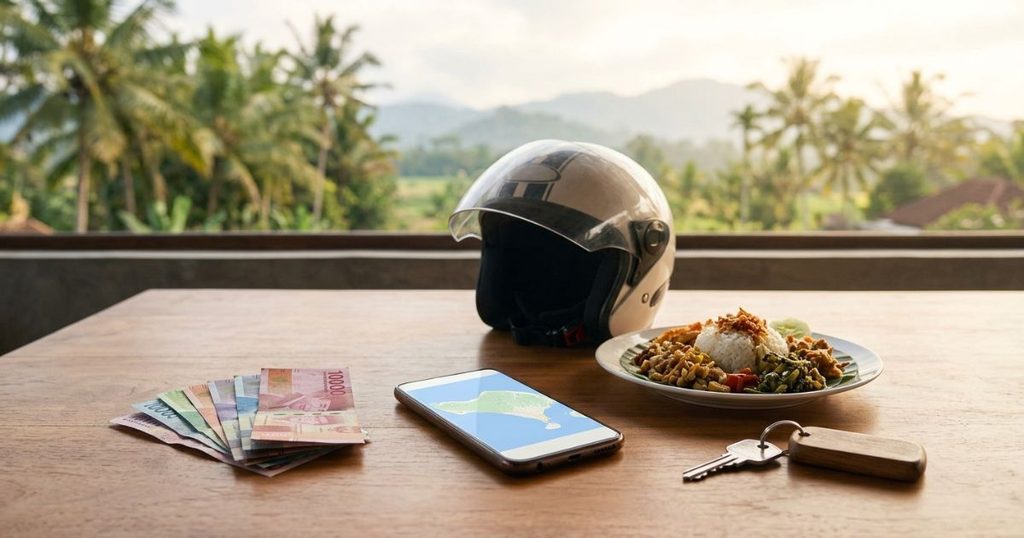
- Compare accommodation prices after taxes and service charges.
- Stay for several nights in each area instead of making long transfers every day.
- Try reputable local warungs, which are small eateries, alongside restaurants.
- Compare tour inclusions, cancellation policies, and transport arrangements before paying.
- Keep extra funds for unexpected weather changes or cancelled boat trips.
- Check whether your accommodation offers breakfast or airport transfers.
- Carry a payment card and a suitable backup payment method.
A realistic budget should leave some room for unexpected expenses rather than allocating every dollar to planned activities.
Bali 7-Day Itinerary: A Complete Day-by-Day Travel Pla
This suggested route combines Ubud, a waterfall excursion, southern Bali, and a possible Nusa Penida trip. It is designed to limit unnecessary hotel changes, but travel times can vary considerably with traffic and weather.
Day 1: Arrive in Bali and Settle In
Arrive at Ngurah Rai International Airport and transfer to your accommodation. Keep the first day flexible, especially if your flight arrives late or you have travelled a long distance.
After checking in, enjoy a nearby meal, explore the surrounding streets if you have time, and rest before beginning your sightseeing.
Overnight: Ubud, if you plan to start with inland attractions.
Day 2: Explore Ubud and the Rice Terraces
Spend the day exploring Ubud’s cultural and natural attractions. Visit a rice terrace, browse local craft shops, and choose a temple, gallery, or wellness activity that interests you.
Avoid adding too many distant stops. A slower schedule gives you time to enjoy the scenery and explore the town without spending the entire day in a vehicle.
Overnight: Ubud.
Day 3: Visit a Waterfall or Rural Bali
Plan an excursion to a waterfall or countryside destination, depending on the weather and your fitness level. Sekumpul Waterfall is an option for travellers willing to manage a more demanding route, while Sidemen offers a quieter rural experience.
Check the travel distance before choosing a destination. Some northern and eastern attractions are too far away to combine comfortably with several other stops in one day.
Overnight: Ubud, or move to East Bali if you want to continue exploring that region.
Day 4: Travel to Southern Bali and Enjoy the Coast
Transfer towards Seminyak, Canggu, or Uluwatu, depending on your preferred atmosphere. Allow time for hotel check-in and road traffic.
Spend the afternoon at a suitable beach, explore nearby cafés, or enjoy a relaxed meal. Keep the schedule light after the transfer.
Overnight: Your chosen southern Bali base.
Day 5: Visit Uluwatu Temple and Watch the Sunset
Explore Uluwatu Temple and its dramatic coastal surroundings. If you want to attend the Kecak dance performance, check the latest schedule, ticket availability, and entry arrangements in advance.
You can also visit a nearby beach if you have enough time and suitable transport. Remember that access to some beaches involves steep steps, and not every beach is safe for swimming.
Overnight: Uluwatu or another southern Bali location.
Day 6: Take a Nusa Penida Day Trip
If weather, boat schedules, and your budget permit, take a planned excursion to Nusa Penida. Prioritise a manageable number of attractions, such as Kelingking Beach viewpoint and other accessible coastal locations.
Road journeys can be slow, and viewpoints may involve walking or steep approaches. Follow local safety advice and do not attempt to fit every famous stop into one day.
If sea conditions are unsuitable, replace the island excursion with a mainland beach, cultural visit, or relaxed day near your accommodation.
Overnight: Southern Bali, or Nusa Penida if you have arranged an overnight stay.
Day 7: Shopping, Breakfast and Departure
Keep the final morning flexible. Enjoy breakfast, shop for local crafts, or visit an attraction near your accommodation if your flight schedule allows.
Leave plenty of time for the airport transfer and check your airline’s recommended arrival time. For an early flight, consider staying closer to the airport on your final night.
Important: This is a suggested itinerary, not a guarantee that every activity will fit comfortably into each day. Adjust it around flight times, weather, traffic, and boat schedules.
Where to Stay in Bali: Ubud, Seminyak, Canggu or Uluwatu?
Choosing the right base is one of the most useful decisions in your Bali travel plan. A beautiful hotel can still be inconvenient if it is far from the activities you want to enjoy.
| Area | Best for | Consider before booking |
| Ubud | Culture, nature, rice terraces, wellness | Inland location; beaches require a journey |
| Seminyak | Restaurants, shopping, beach sunsets | Traffic, busy streets, nightlife noise |
| Canggu | Cafes, surfing, social atmosphere | Congestion and busy popular areas |
| Uluwatu | Cliffs, surf beaches, romantic stays | Distances between beaches and limited walking access in some areas |
| Amed | Snorkeling, diving, slower coastal trips | Longer transfer from the airport and other major areas |
Are private villas worth it?
A private villa can be good value for families or groups when the total price is shared among several guests. Depending on the property, you may have a private pool, kitchen, garden, or staff assistance.
Before booking, check recent reviews, the exact location, security arrangements, cancellation terms, and any additional cleaning or service charges. Confirm that the accommodation is legally operated where required.
For solo travellers or short stays, a centrally located guesthouse or hotel may offer better value and easier access to restaurants and transport.
How to Get Around Bali: Drivers, Taxis, Scooters and Boats
Bali does not have a comprehensive urban rail network connecting its main tourist destinations. Most visitors rely on road transport, walking in suitable areas, and boats for nearby islands.
Private Drivers
A private driver can be convenient for a full day of sightseeing or visiting several attractions. Before confirming, agree on the route, duration, price, and whether parking or entrance fees are included.
Taxis and Ride-Hailing Services
Licensed taxis and ride-hailing services can be practical for shorter journeys where they operate. Check the fare or agreed price before departure, and confirm the pickup point if you are travelling from a busy attraction.
Scooter Rentals
Scooters offer flexibility but require appropriate riding experience, a valid licence for the vehicle and jurisdiction, a helmet, and suitable insurance. Road conditions and traffic can be challenging, especially for inexperienced riders.
Do not assume your ordinary driving licence automatically authorises you to ride a scooter in Indonesia. Confirm local licensing rules and your insurer’s requirements before renting.
Boats to Nearby Islands
Boat services connect Bali with destinations such as Nusa Penida. Schedules may change due to weather and sea conditions, so allow flexibility and book with a reputable operator.
Confirm the departure port, luggage rules, arrival point, and return arrangements before setting off.
Walking
Walking works well in some town centres and beach areas, but many roads lack safe pedestrian paths. Check the route and use appropriate caution, especially after dark.
Bali Entry Requirements 2027: Visa, Passport and Tourist Levy
Entry requirements depend on your nationality, passport, travel purpose, and the rules in force at the time of your trip. Because this guide covers 2026–2027 travel, verify all requirements before departure rather than relying on an old blog post or an unofficial agent.
Pre-Departure Checklist
- Check passport validity and any additional passport requirements.
- Confirm whether your nationality qualifies for visa-free entry, a Visa on Arrival, an electronic Visa on Arrival, or another visa.
- Prepare proof of onward or return travel if required.
- Review the current arrival declaration and customs procedures.
- Check whether additional documents are required for your circumstances.
- Confirm whether Bali’s foreign tourist levy applies to you.
- Keep copies of your booking confirmations and relevant travel documents.
Indonesia’s official immigration service provides information about visa applications and eligibility. Passport validity and other conditions can apply depending on the visa category. Consult the official Indonesia e-Visa portal before booking or travelling.
Bali Foreign Tourist Levy
Bali’s official Love Bali system lists a foreign tourist levy of IDR 150,000 per eligible international tourist. The official guidance describes this as a one-time payment during the trip, subject to applicable rules and exemptions.
You can check the official information and payment process through the Love Bali tourist levy portal.
Do not confuse the tourist levy with an Indonesian visa: they are separate requirements. Verify the levy’s applicability and the latest procedures before your 2027 departure.
Official websites:
Bali Travel Rules and Local Customs Every Tourist Should Know
Bali’s temples, ceremonies, and community traditions are an important part of the island’s identity. Visitors can help protect these traditions by following local guidance and treating sacred spaces respectfully.
Do:
- Wear suitable clothing and follow any sarong or dress requirements at temples.
- Follow instructions from temple staff and local guides.
- Ask before photographing people or religious ceremonies.
- Dispose of rubbish responsibly and respect protected natural areas.
- Follow signs and local instructions at beaches, waterfalls, and cliffs.
Don’t:
- Enter restricted sacred areas.
- Touch or move religious offerings.
- Climb barriers for photographs.
- Approach wild monkeys with food or belongings exposed.
- Assume every beach is safe for swimming.
Bali’s official tourist guidance emphasizes respect for local customs and appropriate behavior at cultural sites.
Best Outdoor Adventures in Bali: Surfing, Snorkelling and Sunrise Hikes

Bali offers outdoor experiences for a range of fitness and experience levels. Choose activities based on your ability, weather conditions, and the time you have available.
Surfing in Uluwatu and Southern Bali
Southern Bali has well-known surf areas, but wave conditions vary by beach and season. Beginners should choose a reputable surf school, use appropriate equipment, and follow instructor guidance rather than entering unfamiliar surf breaks alone.
Snorkelling Around Nusa Penida
Boat excursions may include coral reefs and opportunities to see marine life, including manta rays in suitable areas. Wildlife sightings are never guaranteed. Choose operators that explain safety procedures and avoid touching or chasing marine animals.
Sunrise Hiking at Mount Batur
Mount Batur is a popular destination for sunrise hikes, with views across volcanic terrain and surrounding landscapes when the weather is clear. Arrange the trip with a reputable operator, check current volcanic and trail guidance, bring suitable footwear, and prepare for cold conditions before sunrise.
Waterfall Excursions
Waterfalls such as Sekumpul can involve steep stairs, wet paths, and uneven ground. Wear shoes with good grip and follow local guidance about swimming, rainfall, and access restrictions.
Bali Packing List 2026-27: Essentials for Tropical Weather
Pack for warm, humid conditions, occasional rain, beach activities, and visits to religious sites. Your exact packing list will depend on the season and planned activities.
Clothing and Footwear
- Lightweight, breathable clothing
- Comfortable walking shoes with good grip
- Sandals or suitable beach footwear
- Swimwear and a quick-drying towel
- Modest clothing or a cover-up for temple visits
- A light rain jacket or compact umbrella
Health and Outdoor Essentials
- High-SPF sunscreen and a sun hat
- Insect repellent
- Reusable water bottle
- Personal medication and basic first-aid supplies
- Waterproof pouch for boat trips
- Suitable clothing for cooler early-morning hikes
Travel Documents and Electronics
- Passport and relevant visa documents
- Travel insurance details
- Booking confirmations and emergency contacts
- Power adapter compatible with your devices
- Phone charger and power bank, following airline rules
Before You Leave
- Check passport validity and visa eligibility.
- Confirm flights and accommodation.
- Review baggage allowances.
- Check weather and activity requirements.
- Save important documents securely.
- Confirm airport transfers and any booked excursions.
Bali Food Guide: Local Dishes, Cafes and Vegetarian Options
Trying local food is a useful way to experience Bali beyond its beaches and hotels. Popular tourist areas offer Indonesian dishes, Balinese specialities, tropical fruit, and international restaurants.
Nasi Campur: Rice with a Variety of Side Dishes
Nasi campur is a rice-based meal served with a selection of side dishes, which may include vegetables, egg, meat, fish, and sambal. Ingredients vary by restaurant, so ask about the specific items if you have dietary restrictions.
Mie Goreng: Indonesian Fried Noodles
Mie goreng is a popular fried-noodle dish commonly prepared with seasonings, vegetables, and optional egg, chicken, or seafood. Some restaurants may offer vegetarian versions, but confirm the ingredients and cooking method before ordering.
Gado-Gado: Vegetables with Peanut Sauce
Gado-gado is an Indonesian dish featuring vegetables and peanut sauce, often accompanied by other ingredients such as tofu, tempeh, or egg. Recipes vary, so check for ingredients that may not suit your diet.
Smoothie Bowls and Tropical Fruit
Cafés in Ubud, Canggu, and Seminyak often serve fruit bowls, smoothies, coffee, and lighter meals. Ask about added sugar, dairy, nuts, or other ingredients if you have dietary needs.
Tips for Eating Well in Bali
- Try a mixture of reputable local eateries and established restaurants.
- Check recent reviews and general food-handling practices.
- Clearly explain any allergies or dietary restrictions.
- Ask whether sauces, broths, and cooking oils contain ingredients you avoid.
- Follow reliable local advice about drinking water and food safety.
Bali Travel Safety Tips: Ocean Conditions, Monkeys and Hiking

A little preparation can help prevent common problems during your holiday.
- Ocean safety: Follow beach flags, lifeguard advice, and local warnings. Strong currents can occur even when the weather appears pleasant.
- Monkey encounters: Keep food, sunglasses, phones, and bags secure. Never feed, touch, corner, or provoke monkeys.
- Hiking safety: Wear suitable footwear, follow designated routes, and check weather, trail access, and volcanic advisories before departure.
- Road safety: Wear a properly fastened helmet when riding a motorcycle or scooter. Do not ride without the appropriate licence, experience, and insurance cover.
- Sun protection: Reapply sunscreen and take breaks in the shade, particularly during midday outdoor activities.
- Travel insurance: Review whether your policy covers planned activities, medical care, scooter use if relevant, and transport disruptions.
- Personal belongings: Use normal precautions in crowded areas, keep valuables secure, and save emergency contact details.
- Boat trips: Check sea conditions and operator safety arrangements, and allow flexibility in case of delays or cancellations.
FAQs
What should a Bali Travel Guide include for first-time visitors?
A useful Bali Travel Guide should cover the island’s main attractions, beaches, cultural landmarks, natural scenery, accommodation, transportation, and food. It should also explain travel costs, local customs, entry requirements, and suggested itineraries. These details help first-time visitors plan their time and budget more confidently.
When is the best time to visit Bali in 2026–2027?
Bali generally has a drier season from around April to October and a wetter season from around November to March. The drier months are often popular for beaches and outdoor activities, while wetter months can offer lush scenery and occasional heavy showers. Check the forecast and local conditions before travelling.
How many days are enough for a Bali Travel Guide itinerary?
Seven days is a useful starting point for exploring Ubud, southern Bali, temples, and a waterfall or island excursion. You may need more time if you want to visit East Bali or spend several days on Nusa Penida. Choose fewer destinations if you prefer a relaxed pace.
How much does a Bali trip cost in 2026–2027?
The cost depends on accommodation, flights, meals, transport, and activities. The illustrative estimates in this guide range from 33–93 per day for a budget-conscious traveller and 105–255 for a mid-range traveller, excluding several additional costs. Check current prices before finalising your budget.
Which places should first-time travellers visit in Bali?
Ubud is known for rice terraces, arts, and culture, while Seminyak and Canggu offer restaurants, cafés, and beach experiences. Uluwatu is popular for coastal cliffs and sunset views, and Nusa Penida is known for dramatic island scenery. Select destinations based on your interests and available time.
Is a Bali Travel Guide useful for understanding local rules?
Yes. A Bali Travel Guide can help visitors prepare for temple dress requirements, cultural etiquette, road safety, and environmental responsibilities. Always follow posted instructions and check official entry requirements before departure, because regulations and procedures can change.
How can travellers find quieter places in Bali?
Consider destinations such as Sidemen and Amed, or plan a visit to a waterfall with suitable access arrangements. Visit popular locations early when practical and ask local guides about current conditions. Remember that even less-developed destinations can become busy during holidays.
What should I pack for a Bali holiday?
Pack lightweight clothing, comfortable shoes, swimwear, sun protection, insect repellent, and a light rain jacket. Bring suitable clothing for temple visits, personal medication, travel documents, and a waterproof pouch if you plan to take boat trips. Adjust your packing list to your season and activities.
Do international tourists need to pay a Bali tourist levy?
Bali’s official Love Bali guidance lists a foreign tourist levy of IDR 150,000 per eligible international tourist, subject to applicable rules and exemptions. It is separate from Indonesia’s visa requirements. Check the official Love Bali portal before travelling to confirm the latest payment procedures.
Is Nusa Penida worth visiting during a short Bali trip?
Nusa Penida can be worthwhile if you enjoy rugged coastal landscapes and scenic viewpoints. However, boat transfers, road conditions, and queues can make a day trip tiring. If you have limited time, compare the excursion with other activities and check sea conditions before booking.
Conclusion
Bali offers a rewarding mix of tropical beaches, green rice terraces, traditional temples, local food, and beautiful coastal landscapes. With a well-planned Bali Travel Guide, you can choose the destinations that suit your interests, organise your accommodation, and set a realistic budget for transport and activities. Spend time exploring Ubud, enjoy the scenery around Uluwatu, or consider a trip to Nusa Penida if your schedule permits. Check seasonal conditions and entry requirements before booking, and leave enough flexibility to enjoy the island at a comfortable pace.
Whether you are planning a romantic escape, a family holiday, or an adventurous trip with friends, focus on experiences that matter most to you instead of trying to see everything in one visit. Choose reputable activity providers, respect Balinese customs, and follow local safety advice at beaches, waterfalls, and temples. Verify current visa rules, tourist levy requirements, and travel prices before departure. With thoughtful preparation and a flexible itinerary, your Bali Travel Guide can be more comfortable, enjoyable, and memorable.
Read More:
Paris Travel Guide: Explore Iconic Landmarks, Hidden Gems & Local Experience

