
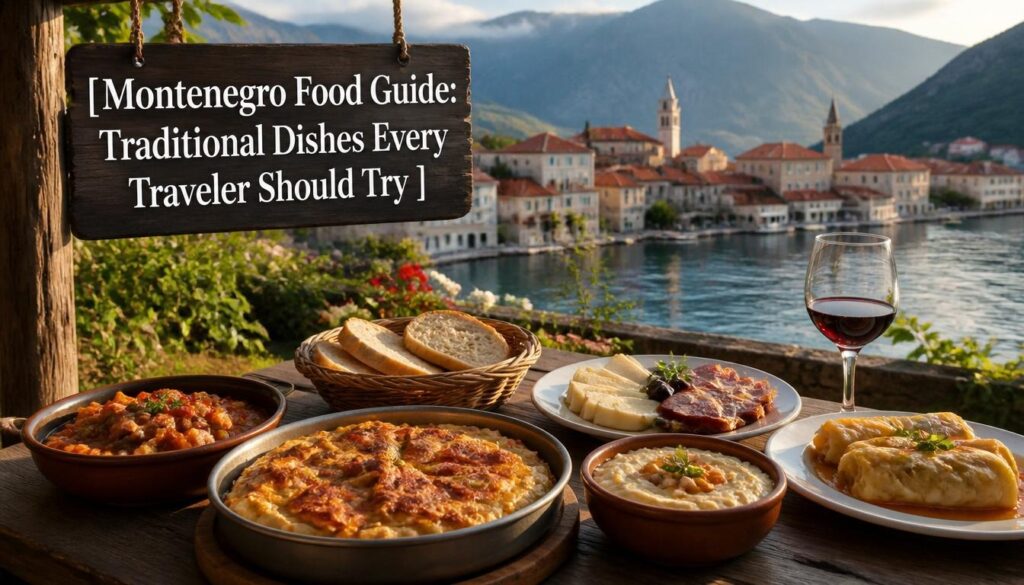
Food is one of the best ways to experience a country’s culture. If you are planning a trip to Montenegro, tasting local dishes should be an important part of your itinerary. This Montenegro Food Guide introduces the country’s most famous meals, ingredients, dining traditions, and culinary experiences to help you enjoy authentic Balkan flavors.
Montenegro combines Mediterranean and Balkan influences, creating a unique cuisine that is both comforting and flavorful.Montenegro Food Guide Fresh seafood from the Adriatic coast, smoked meats from the mountains, handmade cheeses, and seasonal vegetables all play a major role in everyday cooking. Whether you visit coastal towns like Kotor and Budva or mountain villages in Durmitor National Park, every region offers something special.
What Does Montenegro Food Guide Mean?
A Montenegro Food Guide is a detailed travel resource that explains:
- Traditional Montenegrin dishes
- Popular regional specialties
- Local ingredients
- Dining etiquette
- Street food
- Restaurants and taverns
- Desserts
- Drinks
- Food markets
- Travel dining tips
Rather than simply listing foods, a complete guide explains the story behind each dish and shows visitors where they are most commonly enjoyed.
The purpose is to help travelers avoid tourist traps and experience authentic local cuisine.
Why Food Matters in Montenegro
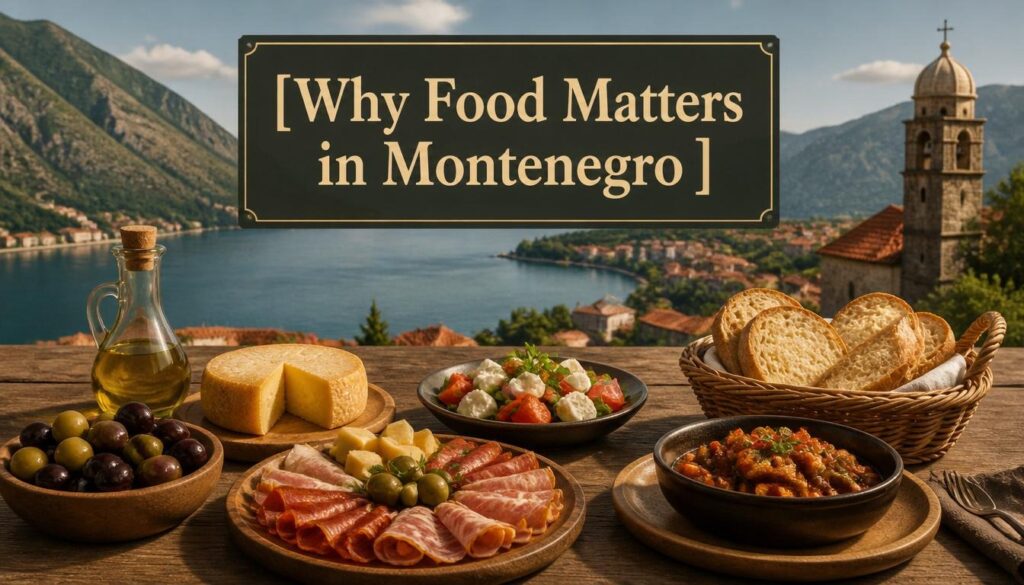
Montenegro’s history has been influenced by:
- Italy
- Greece
- Turkey
- Serbia
- Croatia
- Austria
- The Ottoman Empire
As a result, today’s cuisine combines Mediterranean seafood with Balkan comfort food.
Travelers often discover that food becomes one of the highlights of their visit.
How a Montenegro Food Guide Works

A good Montenegro Food Guide organizes information by region, food type, and dining experience.
Instead of recommending random restaurants, it explains:
- What locals eat
- When certain foods are served
- Which dishes belong to each region
- What ingredients are traditional
- Seasonal specialties
- Typical meal prices
- Dining customs
This makes planning much easier for first-time visitors.
Regional Cuisine
Different parts of Montenegro specialize in different foods.
Coastal Region
Popular dishes include:
- Fresh grilled fish
- Octopus salad
- Black risotto
- Mussels
- Shrimp
- Seafood pasta
Mediterranean herbs and olive oil are widely used.
Mountain Region
Mountain villages are famous for:
- Smoked ham
- Lamb
- Beef stew
- Homemade cheese
- Cornbread
- Potato dishes
Meals are generally richer and heartier because of the colder climate.
Central Montenegro
Central Montenegro combines coastal and mountain traditions.
Popular foods include:
- Stuffed peppers
- Bean stew
- Grilled meats
- Homemade bread
- Roasted vegetables
Types of Traditional Montenegrin Food
Montenegro offers a wide variety of dishes for every traveler.
Seafood
The Adriatic coastline provides excellent seafood.
Popular choices include:
- Grilled sea bass
- Sea bream
- Squid
- Octopus
- Mussels
- Oysters
- Shrimp
Seafood is usually served with:
- Olive oil
- Garlic
- Lemon
- Fresh herbs
Meat Dishes
Montenegro is well known for smoked and grilled meats.
Popular dishes include:
Njeguški Pršut
A famous dry-cured ham produced in the village of Njeguši.
It is often served with cheese and olives.
Ćevapi
Small grilled minced meat sausages served with:
- Flatbread
- Onion
- Yogurt
Ražnjići
Grilled meat skewers similar to kebabs.
Lamb Under the Bell
One of Montenegro’s most famous traditional meals.
The meat is slow-cooked under a metal bell with potatoes until extremely tender.
Cheese
Montenegro produces many excellent cheeses.
Popular varieties include:
- Goat cheese
- Cow cheese
- Sheep cheese
- Aged mountain cheese
Many restaurants serve cheese platters before the main course.
Bread
Fresh bread is served with almost every meal.
Popular types include:
- Homemade village bread
- Cornbread
- White artisan bread
Soups
Traditional soups include:
- Chicken soup
- Vegetable soup
- Beef broth
- Fish soup
Soups are usually served before the main meal.
Stews
Stews are popular throughout the country.
Common ingredients include:
- Beans
- Potatoes
- Beef
- Lamb
- Carrots
- Onion
These meals are especially common during winter.
Salads
Fresh vegetables accompany almost every lunch and dinner.
Typical salads include:
- Tomato salad
- Cucumber salad
- Cabbage salad
- Shopska salad
Desserts
Traditional desserts include:
Krempita
A creamy custard pastry loved throughout the Balkans.
Baklava
A sweet pastry filled with nuts and syrup.
Priganice
Small fried dough balls served with:
- Honey
- Jam
- Cheese
Popular Drinks
Visitors should also try local beverages.
Non-alcoholic drinks include:
- Fresh lemonade
- Turkish coffee
- Herbal tea
- Mineral water
Popular local wines include:
- Vranac
- Krstač
Many travelers also enjoy traditional fruit brandy known as Rakija.
Common Uses of a Montenegro Food Guide
A Montenegro Food Guide helps travelers in many situations.
Vacation Planning
Before traveling, visitors can:
- Research local dishes
- Budget meal costs
- Find family-friendly restaurants
- Learn dining customs
Restaurant Selection
Instead of choosing restaurants based only on reviews, travelers can identify places that specialize in authentic Montenegrin cuisine.
This creates a more memorable travel experience.
Food Tours
Many guided food tours include:
- Local markets
- Family-owned restaurants
- Cheese tastings
- Olive oil tastings
- Wine cellars
- Traditional bakeries
Using a food guide helps travelers choose tours that match their interests.
Benefits of Using a Montenegro Food Guide
A well-prepared Montenegro Food Guide offers many advantages, especially for first-time visitors from the United States.
Discover Authentic Local Cuisine
Instead of eating only international fast food or tourist meals, a food guide helps you experience authentic Montenegrin flavors. You can enjoy traditional recipes that have been passed down through generations.
Save Time
Knowing what dishes to try and where to find them helps you avoid spending hours searching for restaurants.
Budget Your Meals
Food guides often explain average meal prices, making it easier to plan your travel budget.
Learn Local Dining Customs
Understanding local etiquette such as tipping, meal times, and common greetings can make your dining experience more comfortable.
Support Local Businesses
Choosing family-owned restaurants, local bakeries, and traditional taverns helps support Montenegro’s economy while giving you a more authentic experience.
Enjoy Regional Specialties
Every region of Montenegro has its own signature dishes. A food guide ensures you don’t miss unique local favorites.
Limitations of a Montenegro Food Guide
Although a food guide is very helpful, it also has a few limitations.
Menus Change Seasonally
Many restaurants use fresh seasonal ingredients, so certain dishes may not always be available.
Restaurant Quality Can Change
Ownership, chefs, and service quality may vary over time.
Personal Taste Differs
Not every traditional dish will appeal to every traveler. Some meals may include ingredients unfamiliar to American visitors.
Dietary Restrictions
Vegetarian, vegan, gluten-free, and allergy-friendly options are becoming more common, but they may still be limited in smaller towns.
Montenegro Food Comparison Table
| Food Category | Popular Dish | Main Ingredients | Best Region |
| Seafood | Grilled Sea Bass | Fresh Fish, Olive Oil | Kotor |
| Seafood | Black Risotto | Squid Ink, Rice | Budva |
| Meat | Njeguški Pršut | Dry-Cured Ham | Njeguši |
| Meat | Lamb Under the Bell | Lamb, Potatoes | Northern Montenegro |
| Cheese | Mountain Cheese | Cow or Sheep Milk | Durmitor |
| Bread | Cornbread | Corn Flour | Throughout Montenegro |
| Dessert | Krempita | Custard, Pastry | Podgorica |
| Dessert | Priganice | Fried Dough, Honey | Entire Country |
Real-World Examples
Exploring Kotor
An American traveler visiting Kotor starts the day with fresh pastries and coffee at a local bakery. For lunch, they enjoy grilled sea bass overlooking the Bay of Kotor. In the evening, they dine at a traditional konoba (tavern), tasting Njeguški Pršut, local cheese, and Vranac wine.
Result
The traveller enjoys authentic coastal cuisine while learning about Montenegro’s culinary traditions.
Visiting Durmitor National Park
A couple hiking through Durmitor stops at a mountain restaurant and orders slow-cooked lamb under the bell, homemade cheese, and cornbread.
Result
They experience hearty mountain dishes that reflect the region’s rural heritage.
Budva Food Tour
Visitors join a guided food tour featuring seafood tastings, local wines, olive oil sampling, and traditional desserts.
Result
The tour introduces them to several local specialties in just one afternoon.
Other Meanings of Montenegro Food Guide
Unlike technical terms, Montenegro Food Guide generally has only one meaning. However, it may refer to different types of food resources, including:
- A printed travel guide
- A restaurant recommendation guide
- A culinary travel blog
- A food tour itinerary
- A local dining map
- A travel website featuring Montenegrin cuisine
Regardless of the format, the purpose remains the same: helping travelers discover the best food experiences in Montenegro.
Expert Tips for Enjoying Food in Montenegro
Follow these practical tips to make the most of your culinary journey.
Visit Local Markets
Markets offer fresh fruits, vegetables, cheeses, cured meats, honey, and handmade products.
Eat at Traditional Konobas
Family-owned taverns often serve the most authentic Montenegrin meals.
Try Regional Specialties
Order seafood along the coast and hearty meat dishes in the mountains for the best local experience.
Ask for Daily Specials
Many restaurants prepare seasonal dishes that are not listed on the regular menu.
Make Dinner Reservations
Popular restaurants in Budva, Kotor, and Tivat can become busy during the summer tourist season.
Carry Some Cash
Although credit cards are widely accepted, smaller cafés and rural restaurants may prefer cash payments.
Taste Local Cheese and Olive Oil
These locally produced items are among Montenegro’s finest culinary products.
Don’t Skip Dessert
Traditional sweets like Priganice and Krempita provide a delicious ending to any meal.
Frequently Asked Questions (FAQs)
What is the most famous food in Montenegro?
Njeguški Pršut, grilled seafood, lamb under the bell, and fresh local cheese are among Montenegro’s most famous traditional dishes.
Is Montenegrin food spicy?
No. Most dishes are mildly seasoned and rely on fresh herbs, olive oil, garlic, and natural ingredients rather than hot spices.
Is Montenegro good for seafood lovers?
Yes. Coastal cities such as Kotor, Budva, and Tivat serve fresh fish, squid, mussels, shrimp, and octopus every day.
Are vegetarian options available?
Yes. Many restaurants offer vegetable soups, fresh salads, grilled vegetables, cheeses, and pasta dishes.
What is a traditional Montenegrin breakfast?
A typical breakfast may include homemade bread, cheese, smoked ham, yogurt, eggs, pastries, and fresh coffee.
Is tipping expected in Montenegro?
Yes. A tip of around 5–10% is appreciated if good service is not already included in the bill.
What desserts should I try?
Popular desserts include Krempita, Baklava, Priganice, and homemade cakes prepared with seasonal fruits.
Is food expensive in Montenegro?
Compared with many Western European destinations, Montenegro is generally affordable. Prices vary depending on the location and restaurant type.
Conclusion
A Montenegro Food Guide is more than just a list of dishes; it is your gateway to understanding the country’s rich culture, history, and traditions through its cuisine. From fresh Adriatic seafood and flavorful grilled meats to homemade cheeses and delicious desserts, Montenegro offers unforgettable dining experiences for every type of traveler.
Whether you’re exploring the historic streets of Kotor, relaxing on Budva’s beaches, or hiking through the mountains of Durmitor, trying authentic local food will make your trip even more memorable. Montenegro Food Guide By using this guide, you can confidently discover the best regional specialities, support local restaurants, and enjoy the true taste of Montenegro.
Also Read;
Individual Holidays: Complete Guide for Work, Travel, and Personal Time