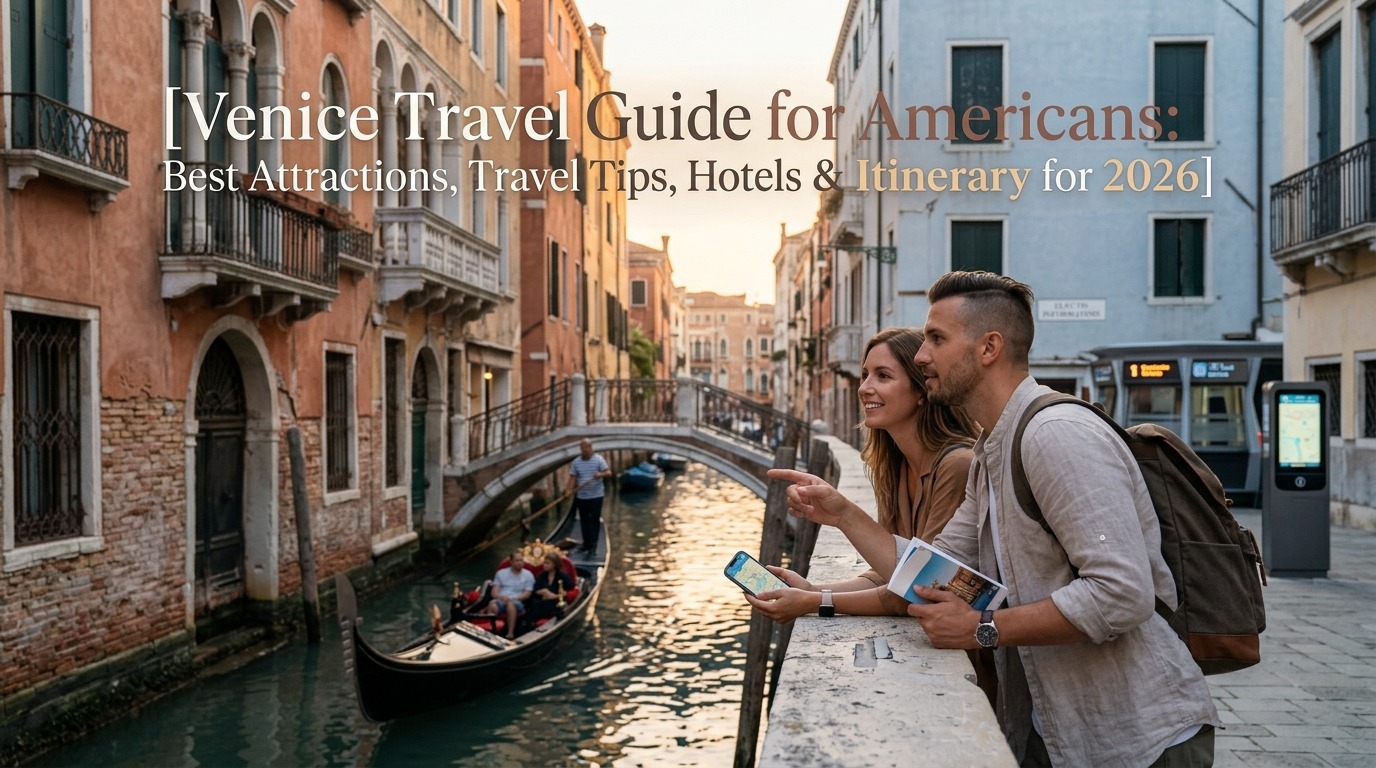
Venice Travel Guide for Americans is the ultimate resource for U.S. travelers planning a memorable trip to one of Italy’s most iconic destinations. Known for its romantic canals, historic architecture, charming bridges, and world-famous gondolas, Venice offers a unique experience unlike any other city in the world. Whether you are visiting for the first time or returning to uncover hidden gems, this guide provides everything American travelers need to know before arriving.
Planning an international vacation can feel overwhelming, especially when navigating cultural differences, transportation systems, and local customs. This comprehensive Venice Travel Guide for Americans covers essential travel tips, the best attractions, transportation advice, accommodation recommendations, food experiences, budgeting tips, safety information, and practical guidance to help Americans enjoy a stress-free and unforgettable Venetian adventure.
Why Americans Love Venice
Venice remains one of the most popular European destinations for American tourists. The city offers:
- Rich history dating back over 1,500 years
- Stunning canals and waterways
- Renaissance and Gothic architecture
- Romantic atmosphere
- Incredible Italian cuisine
- World-famous art and museums
- Easy access to other Italian cities
Unlike most cities, Venice has no roads for cars in its historic center. Instead, visitors travel by walking, water buses, and water taxis, creating an unforgettable travel experience.
Where Is Venice Located?
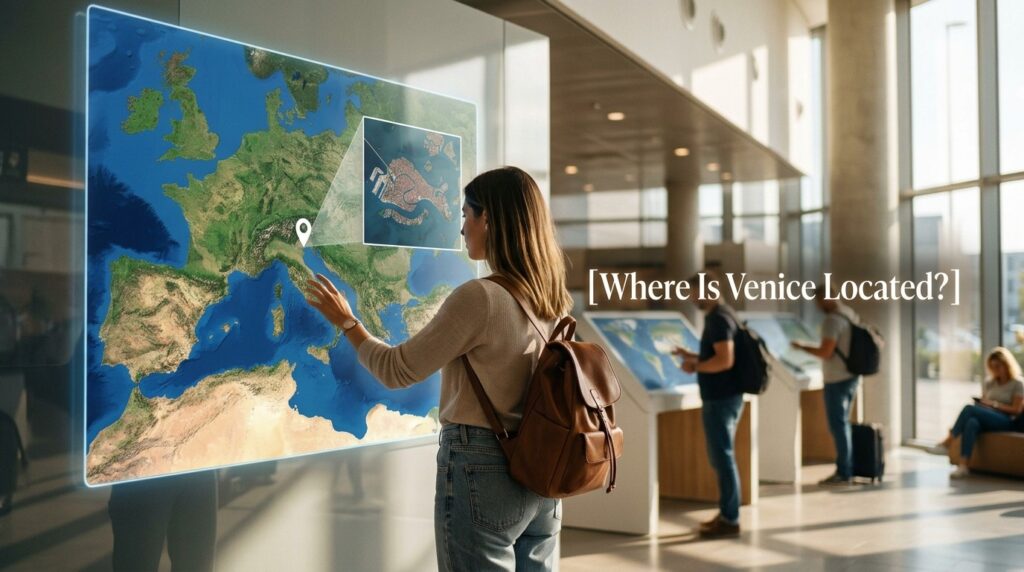
Venice is located in northeastern Italy in the Veneto region. Built on more than 100 small islands connected by bridges and canals, the city sits in the Venetian Lagoon along the Adriatic Sea.
Major nearby cities include:
- Milan
- Florence
- Verona
- Bologna
- Rome
Its strategic location makes Venice an excellent starting point for exploring Italy.
Best Time to Visit Venice
Choosing the right season can significantly improve your trip.
Spring (March–May)
Spring is considered one of the best times to visit.
Advantages
- Pleasant weather
- Blooming flowers
- Smaller crowds than summer
- Comfortable sightseeing conditions
Average Temperatures
- 10°C to 22°C (50°F to 72°F)
Summer (June–August)
Summer attracts the highest number of tourists.
Advantages
- Long daylight hours
- Lively atmosphere
- Outdoor dining and festivals
Disadvantages
- Larger crowds
- Higher hotel prices
- Hot and humid weather
Fall (September–November)
Fall is another favorite season among Americans.
Benefits
- Mild temperatures
- Fewer tourists
- Lower accommodation rates
- Beautiful scenery
Winter (December–February)
Winter provides a quieter experience.
Highlights
- Christmas celebrations
- Venice Carnival
- Lower travel costs
- Less crowded attractions
Entry Requirements for Americans
When using this Venice Travel Guide for Americans, understanding entry requirements is essential.
Passport Requirements
American travelers need:
- A valid U.S. passport
- At least six months validity beyond travel dates is recommended
Visa Requirements
For tourism visits under 90 days, Americans generally do not require a traditional visa for Italy.
Always verify the latest entry regulations before departure.
Getting to Venice from the United States

Several airlines offer routes from major American cities.
Common Departure Cities
- New York
- Chicago
- Los Angeles
- Miami
- Boston
- Washington D.C.
Arrival Airport
Most travelers arrive at:
Venice Marco Polo Airport (VCE)
From the airport, visitors can reach Venice by:
- Water taxi
- Water bus
- Airport shuttle
- Private transfer
Transportation in Venice
One of the most unique aspects of this Venice Travel Guide for Americans is understanding local transportation.
Walking
Walking remains the best way to explore Venice.
Benefits include:
- Free transportation
- Discover hidden streets
- Beautiful photography opportunities
- Authentic local experiences
Vaporetto (Water Bus)
The Vaporetto serves as Venice’s public transportation system.
Popular routes connect:
- Grand Canal
- Rialto Bridge
- St. Mark’s Square
- Murano
- Burano
Tourists often purchase multi-day transportation passes.
Water Taxi
Water taxis offer convenience and luxury.
Advantages
- Fast transportation
- Direct service
- Comfortable travel
Disadvantages
- Expensive compared to public transit
Gondolas
A gondola ride is one of Venice’s most famous experiences.
Many Americans choose gondola rides for:
- Romantic evenings
- Special occasions
- Scenic canal tours
Best Areas to Stay in Venice
Choosing the right neighborhood can enhance your trip.
San Marco
Perfect for first-time visitors.
Benefits
- Close to major attractions
- Luxury hotels
- Restaurants and shopping
Cannaregio
A quieter and more authentic district.
Advantages
- Fewer tourists
- Local atmosphere
- Better value accommodations
Dorsoduro
Ideal for art lovers.
Highlights
- Museums
- Galleries
- Charming canals
Castello
Great for travelers seeking a relaxed environment.
Benefits
- Less crowded
- Historic sites
- Authentic Venetian culture
Top Attractions in Venice
No Venice Travel Guide for Americans would be complete without the city’s must-see landmarks.
St. Mark’s Basilica
This magnificent cathedral is one of Venice’s most recognizable landmarks.
Highlights
- Golden mosaics
- Byzantine architecture
- Historic treasures
St. Mark’s Square
Often called the heart of Venice.
Popular activities include:
- People watching
- Café dining
- Photography
- Exploring nearby attractions
Rialto Bridge
The oldest bridge crossing the Grand Canal offers spectacular views and shopping opportunities.
Doge’s Palace
A masterpiece of Venetian Gothic architecture.
Visitors can explore:
- Grand halls
- Historical chambers
- Secret passages
- Bridge of Sighs
Grand Canal
The main waterway through Venice.
Popular ways to experience it:
- Vaporetto rides
- Gondola tours
- Waterfront dining
Hidden Gems in Venice
Many Americans visit popular landmarks but miss lesser-known treasures.
Libreria Acqua Alta
One of the world’s most unique bookstores.
Features
- Books stored in gondolas
- Creative displays
- Excellent photo opportunities
Burano Island
Known for brightly colored houses and lace-making traditions.
Murano Island
Famous worldwide for glassmaking.
Visitors can:
- Watch glass-blowing demonstrations
- Purchase handmade souvenirs
- Visit glass museums
Food Guide for Americans
Italian cuisine is a major reason tourists visit Venice.
Traditional Venetian Dishes
Risotto al Nero di Seppia
Squid ink risotto with rich seafood flavor.
Sarde in Saor
Sweet and sour sardines.
Bigoli in Salsa
Traditional Venetian pasta dish.
Fritto Misto
Mixed fried seafood.
Best Desserts
- Tiramisu
- Gelato
- Cannoli
- Panna Cotta
Coffee Culture in Venice
Americans should know that Italian coffee culture differs from the United States.
Common Orders
- Espresso
- Cappuccino
- Macchiato
- Americano
Many locals drink coffee standing at the counter rather than sitting for long periods.
Budgeting for Venice
Venice can be expensive, but careful planning helps.
Daily Budget Estimates
Budget Travelers
$80–$150 per day
Mid-Range Travelers
$150–$350 per day
Luxury Travelers
$400+ per day
Money and Payments
Currency
Italy uses the Euro (€).
Credit Cards
Widely accepted:
- Visa
- Mastercard
- American Express
Cash
Carry some cash for:
- Small cafés
- Local markets
- Public restrooms
Safety Tips for Americans
Venice is generally very safe.
Stay Alert For
- Pickpockets
- Tourist scams
- Crowded transportation areas
Safety Recommendations
- Keep valuables secure
- Use anti-theft bags
- Avoid displaying large amounts of cash
Useful Italian Phrases
Learning basic Italian can improve your travel experience.
| English | Italian |
| Hello | Ciao |
| Thank You | Grazie |
| Please | Per Favore |
| Excuse Me | Scusi |
| How Much? | Quanto Costa? |
Packing Tips
Bring:
- Comfortable walking shoes
- Lightweight clothing
- Portable charger
- Travel adapter
- Rain jacket
- Reusable water bottle
Walking is the primary method of transportation, making comfortable footwear essential.
Day Trips from Venice
Verona
Famous for Romeo and Juliet.
Florence
World-renowned art and architecture.
Lake Garda
Beautiful lakeside scenery.
Padua
Historic churches and universities.
Common Mistakes Americans Should Avoid
- Visiting only St. Mark’s Square
- Overpacking luggage
- Ignoring local customs
- Not booking attractions in advance
- Eating only near tourist hotspots
- Forgetting comfortable shoes
Sample 3-Day Venice Itinerary
Day 1
- St. Mark’s Basilica
- Doge’s Palace
- Grand Canal
- Gondola ride
Day 2
- Rialto Bridge
- Local markets
- Cannaregio exploration
- Traditional Venetian dinner
Day 3
- Murano Island
- Burano Island
- Sunset canal walk
FAQs
Is Venice expensive for American tourists?
Yes, Venice can be expensive, especially during peak travel seasons. However, budget-conscious travelers can save money by booking accommodations early, using public transportation, and dining away from major tourist areas.
How many days do Americans need in Venice?
Most travelers find that 3 to 4 days are ideal for exploring Venice’s main attractions, enjoying local cuisine, and visiting nearby islands such as Murano and Burano.
Do Americans need to speak Italian in Venice?
No, many locals working in tourism speak English. However, learning a few basic Italian phrases can enhance your experience and show respect for local culture.
Also Read;
Conclusion
Venice Travel Guide for Americans provides everything needed to plan an unforgettable Italian adventure. From navigating canals and exploring historic landmarks to enjoying authentic Venetian cuisine and discovering hidden islands, Venice offers a magical experience unlike any other destination in Europe. Careful planning can help travelers maximize their time while avoiding common tourist mistakes.
Whether you are seeking romance, history, art, culture, or simply a unique vacation, Venice Travel Guide for Americans serves as the perfect starting point. By understanding local customs, transportation options, budgeting tips, and top attractions, American visitors can confidently enjoy one of the world’s most beautiful and fascinating cities while creating memories that last a lifetime.